Preserving the natural tooth is the best implant!
Over 25 years ago, dentistry focused on an overly simplistic idea: If a tooth is compromised… remove it and place an
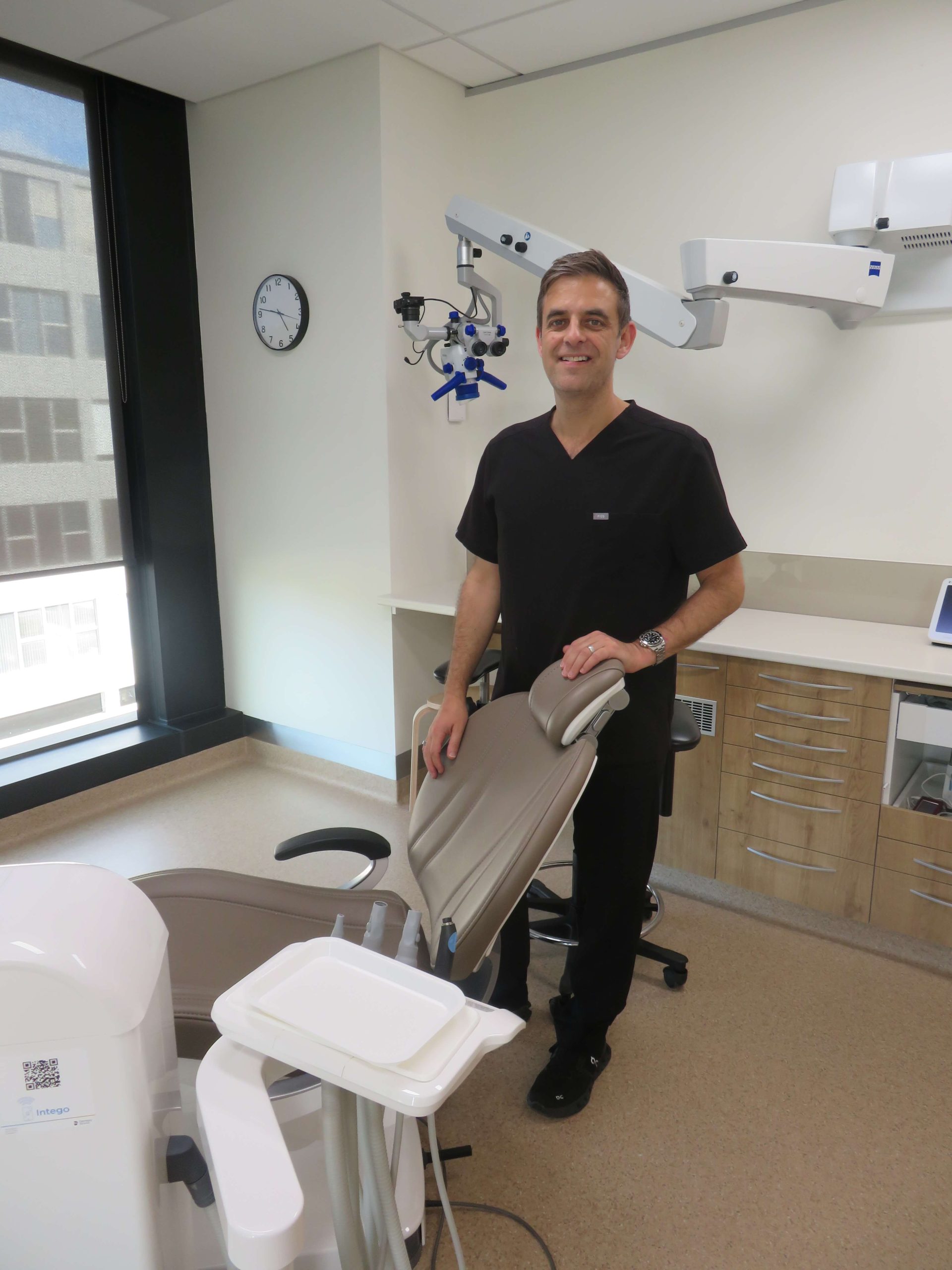
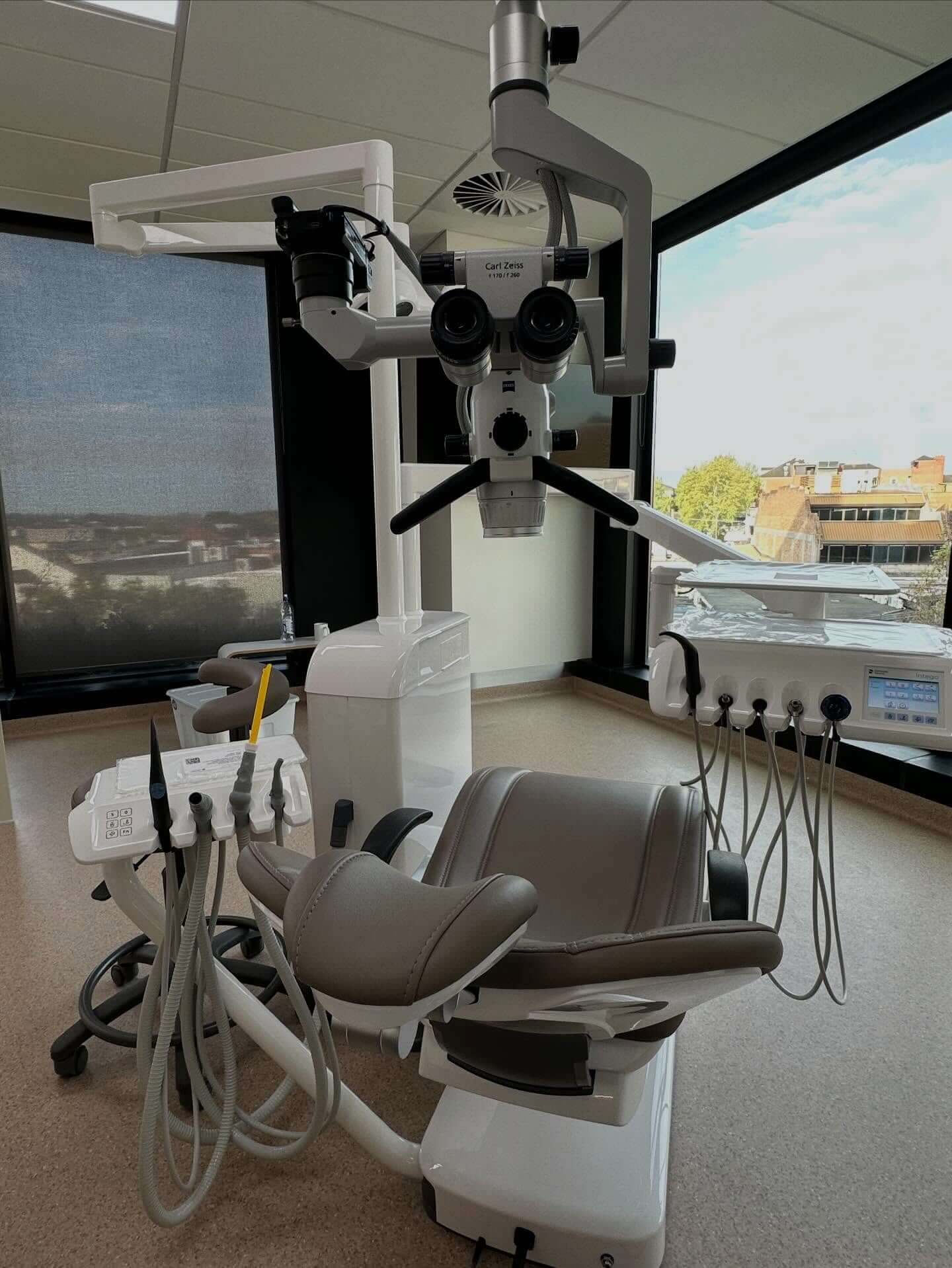
Located in the heart of Crows Nest, our clinic is purpose-built to deliver world-class endodontic treatment using modern technology, all within a calm and supportive environment.
If infection remains after root canal treatment, an apicoectomy may be recommended to help save your natural tooth. Also known as an apicectomy, root end surgery or endodontic surgery, this treatment focuses on the very tip of the tooth root where infection or inflammation can persist.
At Specialist Endo Sydney, we provide specialist endodontic care from our Crows Nest clinic, helping patients across Sydney manage complex root canal problems with comfort, precision and a strong focus on tooth preservation.
An apicoectomy is a minor surgical endodontic procedure used to treat infection around the end of a tooth root. Rather than working through the crown of the tooth, as in standard root canal treatment, your endodontist accesses the root tip through the gum.
The infected tissue is removed, the root end is carefully treated, and the root tip is sealed to help prevent bacteria from re-entering the area. The aim is to resolve infection while preserving the natural tooth wherever possible.
An apicoectomy may be considered when a tooth has already had root canal therapy but has not healed as expected. In some cases, infection can persist around the root tip even after prior treatment, especially if the canal anatomy is complex or difficult to clean from within the tooth.
You may be referred for an apicoectomy if you have:
Before recommending surgery, our team will assess whether root canal retreatment, monitoring or another approach may be more suitable. You can also explore our broader endodontic services to understand how different treatments may help preserve your tooth.
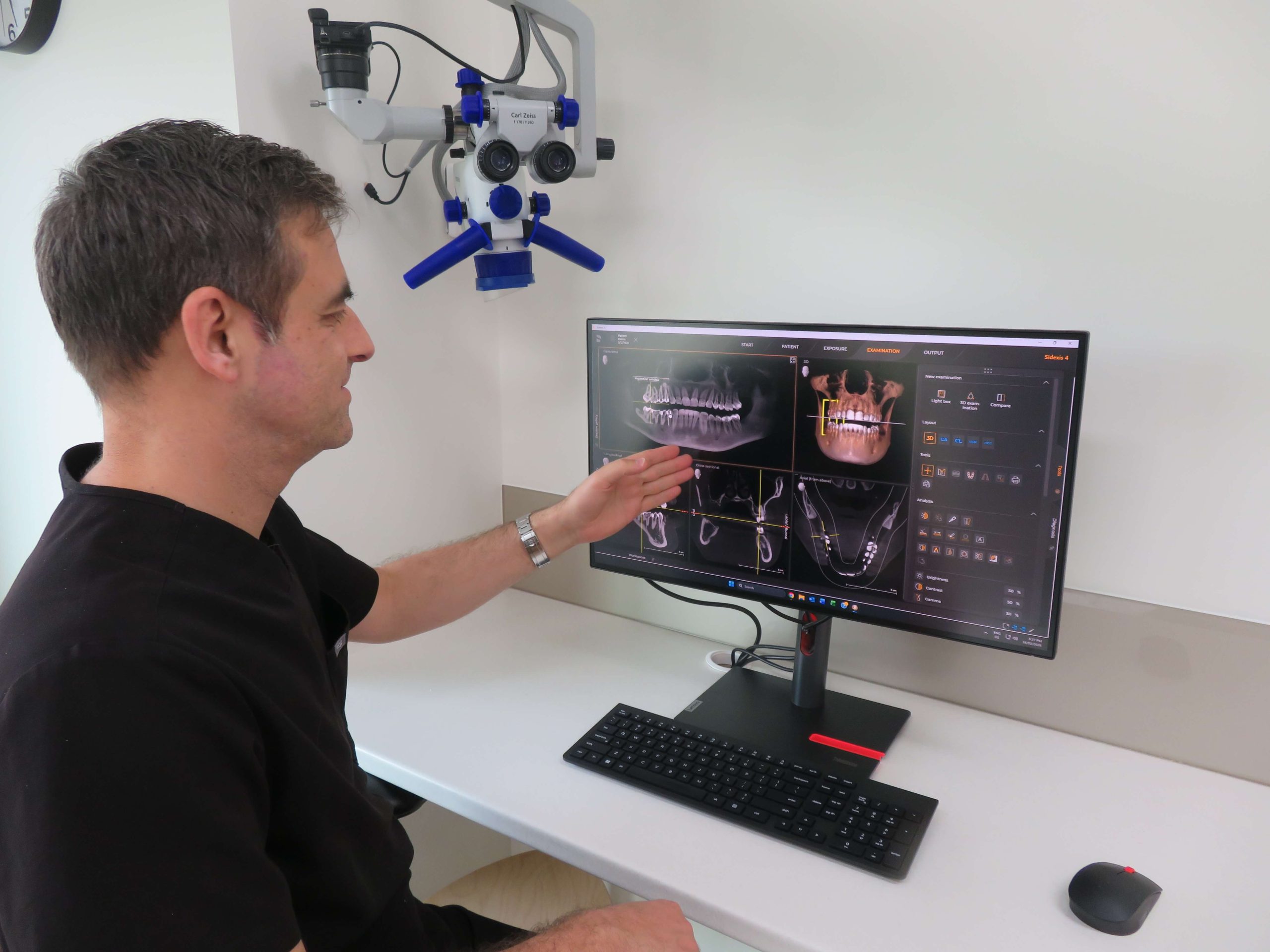
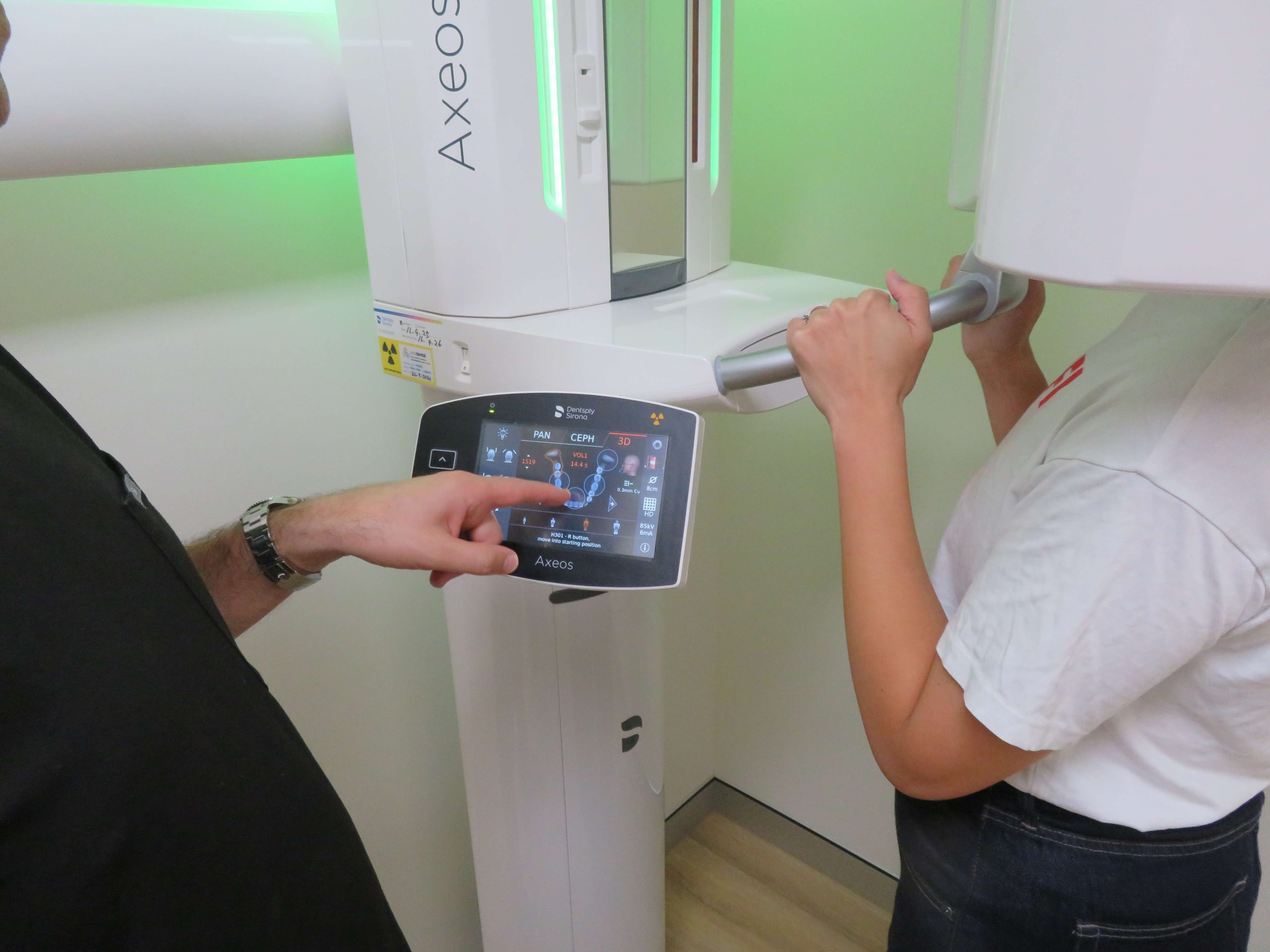
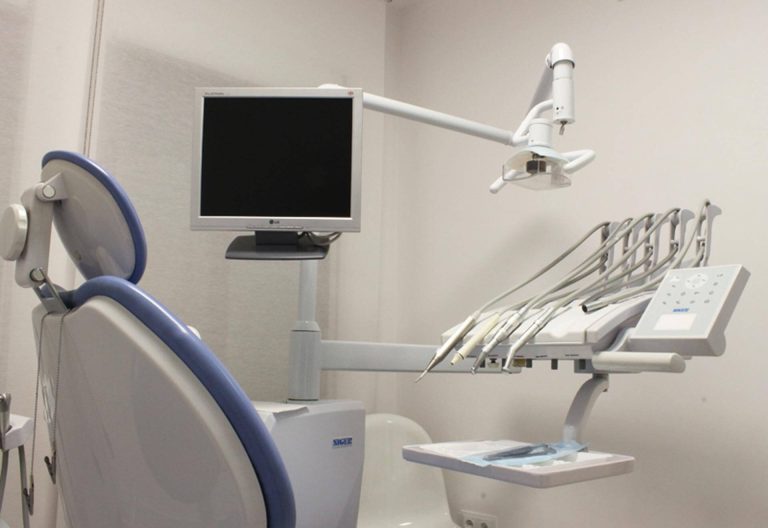
At Specialist Endo Sydney, we use modern diagnostic and treatment technologies to enhance treatment precision and efficiency.

Magnification and illumination provided by dental microscopes allow our team to identify tiny canals, fractures, and complex anatomy that may not be visible with the naked eye.

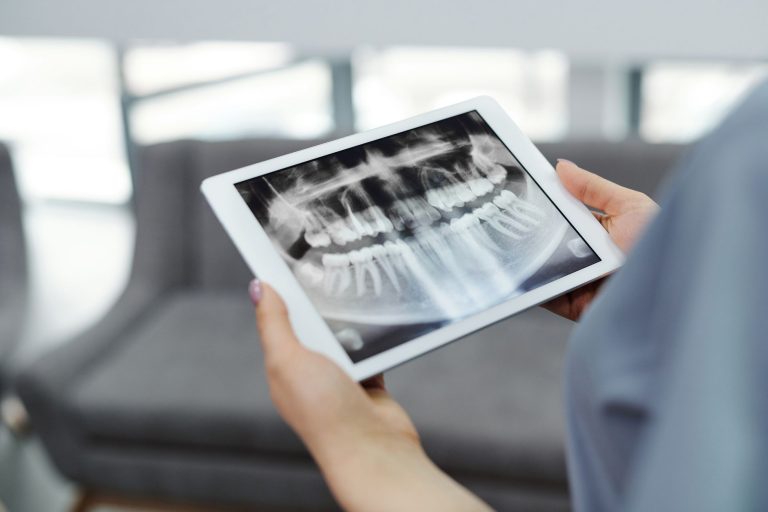
Advanced imaging assists in evaluating root canal anatomy and identifying hidden or unusual canal configurations before and during treatment.

Modern rotary instruments improve canal-shaping efficiency while maintaining the tooth's natural structure. These specialised tools allow for more precise cleaning and preparation of curved or narrow canals.

Ultrasonic instruments can assist with locating calcified canals, removing obstructions, and improving cleaning within the root canal system.
Root canal retreatment and apicoectomy both aim to manage infection and save the tooth, but they work in different ways.
Retreatment involves reopening the tooth, removing the previous root filling material, cleaning the canals again and resealing them. An apicoectomy treats the infection from the root end instead.
An apicoectomy may be preferred when:
For teeth with hidden, blocked or unusually shaped canals, advanced assessment may also be needed. Our page on advanced canal location and shaping explains how specialist techniques can support more accurate endodontic treatment.
Your appointment begins with a careful diagnosis and treatment plan. This may include X-rays or 3D imaging to understand the tooth, root shape and surrounding bone.
During the procedure, a local anaesthetic is used to numb the area. A small opening is made in the gum near the affected tooth to access the root tip. The infected tissue is removed, a small section of the root tip may be taken away, and the end of the root is sealed. The gum is then stitched back into place.
The procedure is planned with precision, using specialist techniques to minimise disruption to surrounding tissues and support healing.
We do our utmost to cater to the needs of our patients.
Our highly skilled endodontists provide precise, specialist care for every patient.
Local anaesthetic and gentle care ensure a pain-free, stress-free visit.
We use the latest equipment and techniques for safe and effective treatment.
We focus on saving teeth with high success rates and long-lasting outcomes.
Choosing an experienced endodontic specialist provides several important advantages.

Specialist training and advanced technology improve the ability to identify difficult canals and anatomical variations.

Comprehensive cleaning and shaping can reduce the likelihood of reinfection and improve long-term success rates.

Modern techniques allow for precise treatment while preserving as much healthy tooth structure as possible.

Specialist endodontists are experienced in treating difficult cases that may not respond to conventional treatment approaches.
Specialist Endodontist (Root Canal and Endodontic Treatment)
Specialist Endodontist (BDent, DClinDent, FICD)


Keeping You Informed on All Things Endodontics

Over 25 years ago, dentistry focused on an overly simplistic idea: If a tooth is compromised… remove it and place an

Abstract Aim: To compare the volume of hard tooth tissue lost after caries removal, access cavity preparation, root canal preparation, fibre

The ‘great debate’ on whether dental implants replace the need to perform endodontic treatment has been raging for years. It has
If you require root canal treatment or have been referred for a complex endodontic case, Specialist Endo Sydney provides advanced canal location and shaping techniques designed to improve treatment outcomes and preserve natural teeth.
Contact our team today to arrange a consultation with an experienced Sydney endodontist and receive expert care using modern endodontic technology and precision treatment methods.
Everything you need to know about our services, treatments, and care.
Yes. Apicoectomy and apicectomy are two terms for the same type of root-end surgery. Both refer to surgical treatment around the tip of the tooth root.
In suitable cases, yes. The purpose of an apicoectomy is to remove infection around the root tip and preserve the natural tooth. Your endodontist will assess whether the tooth has a good long-term prognosis.
The appointment length depends on the tooth and the complexity of the case. Your endodontist will explain the expected timing during your consultation.
Untreated infection around the root tip may continue to cause pain, swelling or bone changes around the tooth. In some cases, the tooth may eventually need to be removed.
You can visit our FAQs for patients page for more information about root canal treatment, specialist care and what to expect.
Book Your
Appointment Today!