Root End Surgery Sydney

Root end surgery treats infection at the very tip of a tooth root when a root canal hasn’t resolved it. Our Sydney specialist endodontists perform it under a microscope.

Specialist Endo Sydney building in Crows Nest
Get in Touch Today!

What Happens When a Root Canal Doesn’t Work?

Most root canals work. When one doesn’t, it’s usually because infection is sitting at the very tip of the root, somewhere a standard root canal can’t reach. Root end surgery deals with that infection directly, from the outside. You may hear it called an apicoectomy, an apicectomy, or apical surgery. They all describe the same procedure. The point of it is to keep the tooth.

What is root end surgery?

A root canal is carried out through the crown of the tooth, working downward from the biting surface. Root end surgery works the other way, through the gum, at the tip of the root.

The infected root tip and the tissue around it are removed, and the end of the root is sealed. It’s the same procedure described in our apicoectomy, under its other common name.

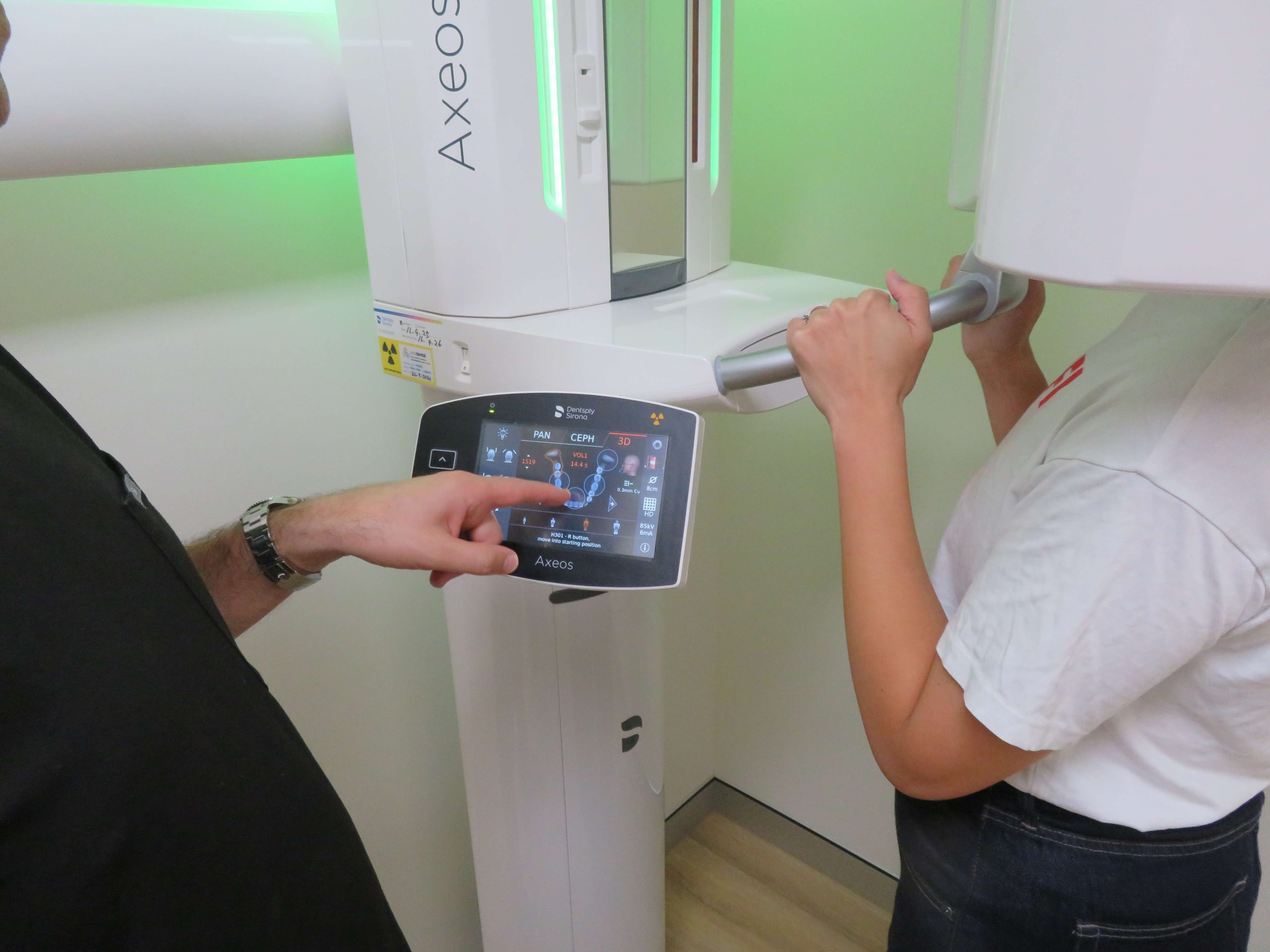
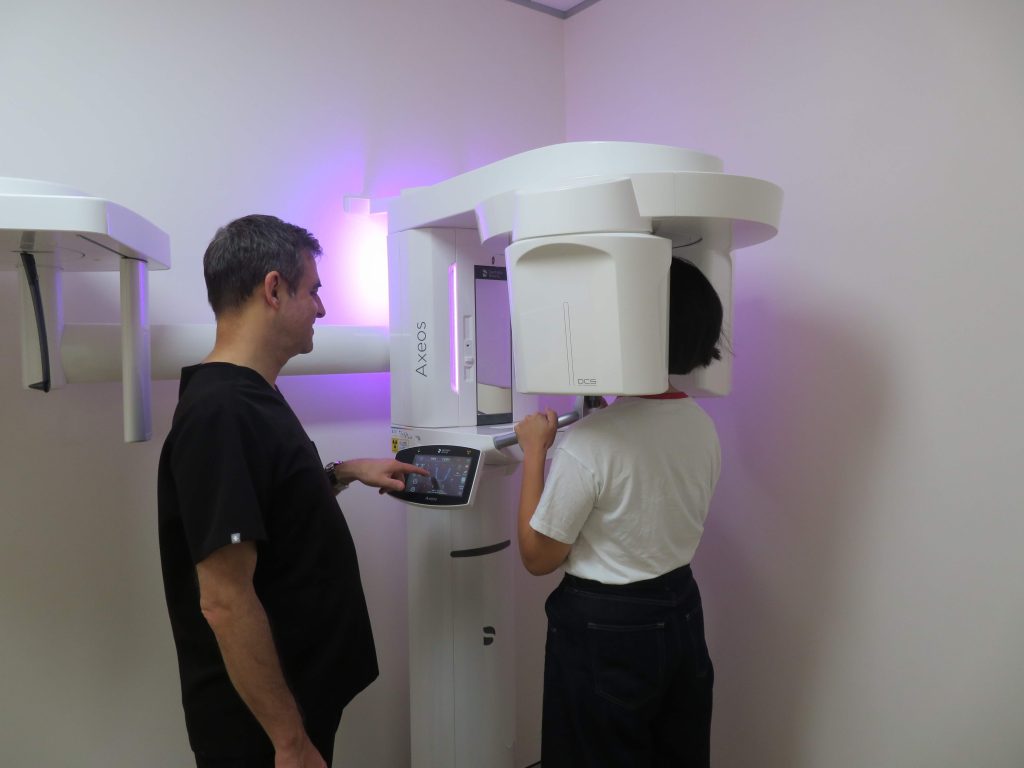
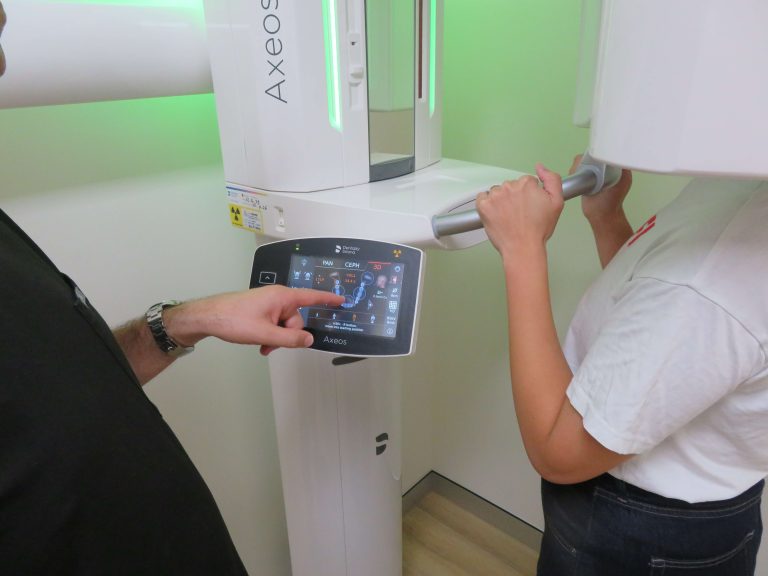
3D dental X-ray scanner used to plan root canal treatment at Specialist Endo Sydney
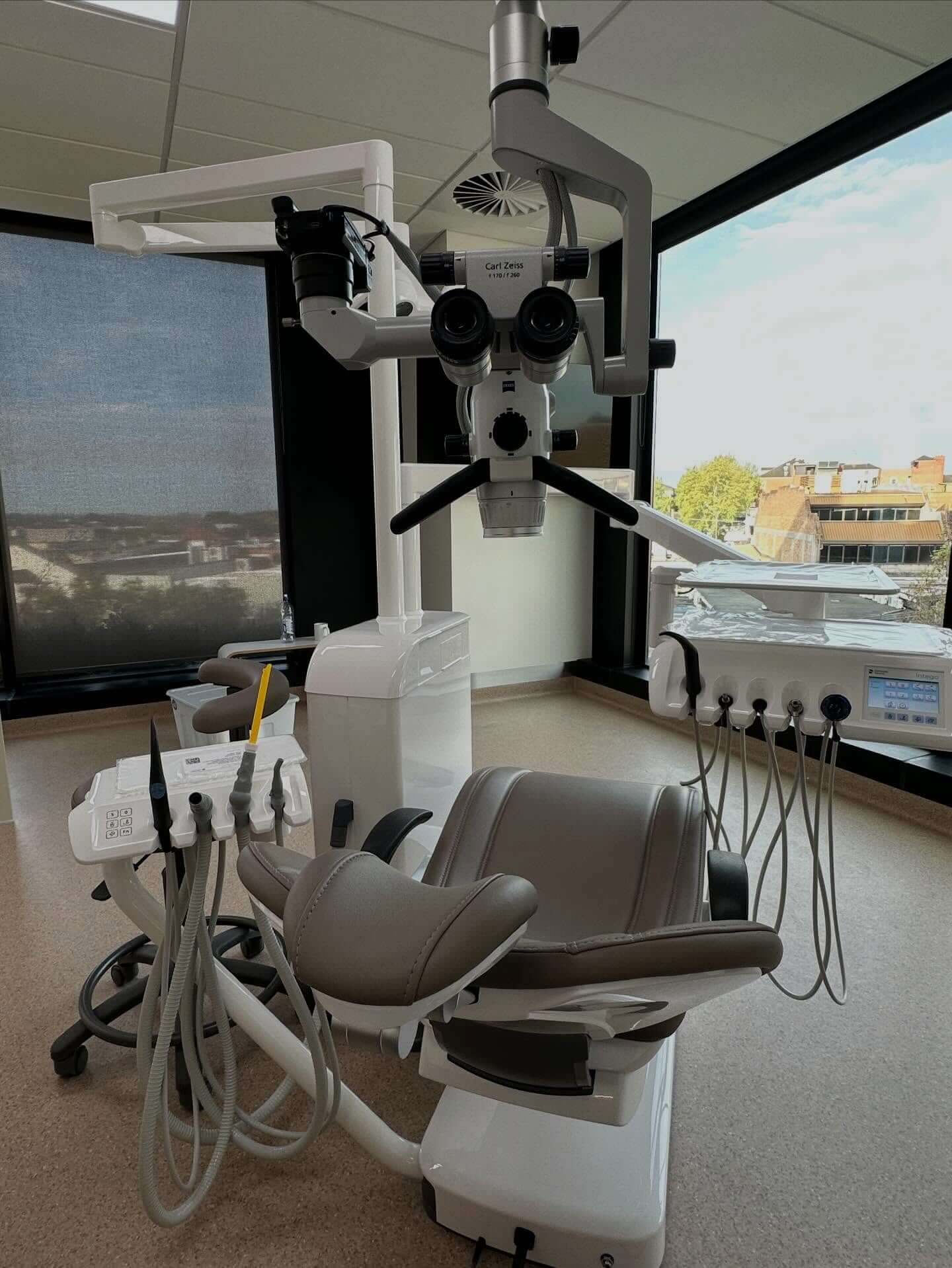
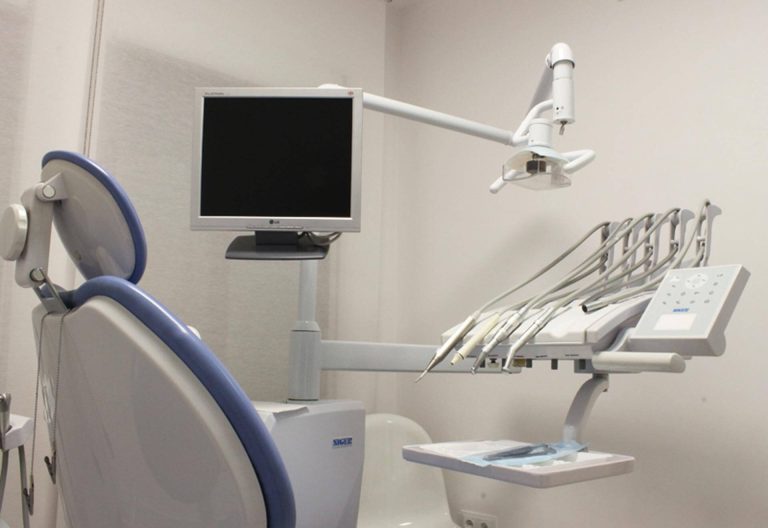
Endodontic treatment room with a dental operating microscope at Specialist Endo Sydney, Crows Nest

When root end surgery is recommended

We’d consider it when:

  • ·Infection is still present after root canal treatment or retreatment
  • ·The canal is blocked or calcified, or has a separated instrument in it
  • A post or crown makes reopening the tooth from the top too risky
  • ·The anatomy at the root tip can’t be cleaned properly from inside the tooth
  • ·Retreatment has already been tried and hasn’t resolved it
  • ·We need to examine the root tip directly to work out what’s happening

What happens on the day

  • Local anaesthetic. IV sedation is available if you’re anxious, with day surgery facilities directly across the hall.
  • ·A small flap of gum is lifted.
  • ·The infected root tip and surrounding tissue are removed.
  • ·The end of the root is sealed.
  • ·The gum is stitched back, and the stitches come out after a short review.


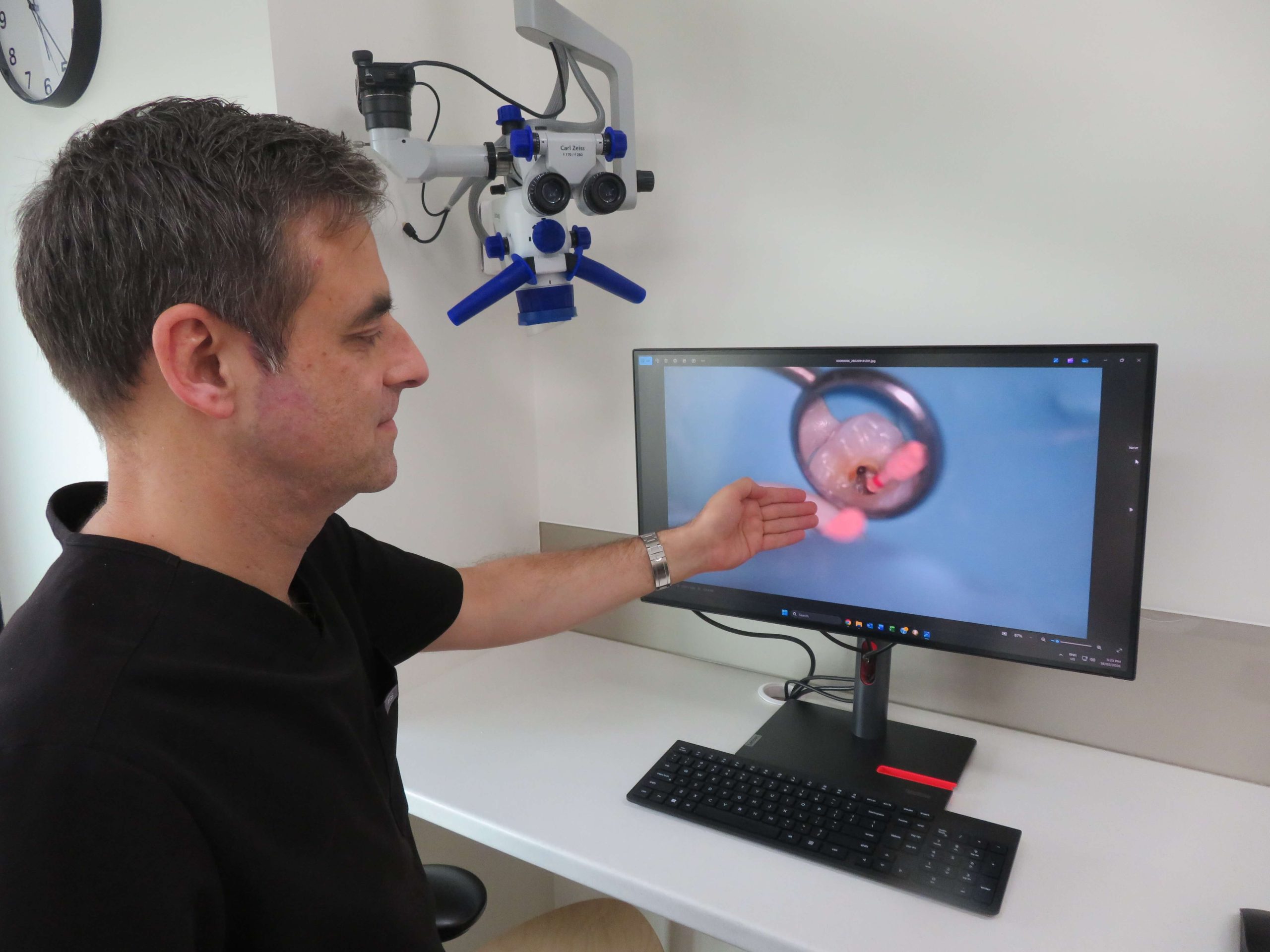
The whole procedure is carried out under a dental operating microscope. The working area is only a few millimetres across, so that magnification is doing real work.

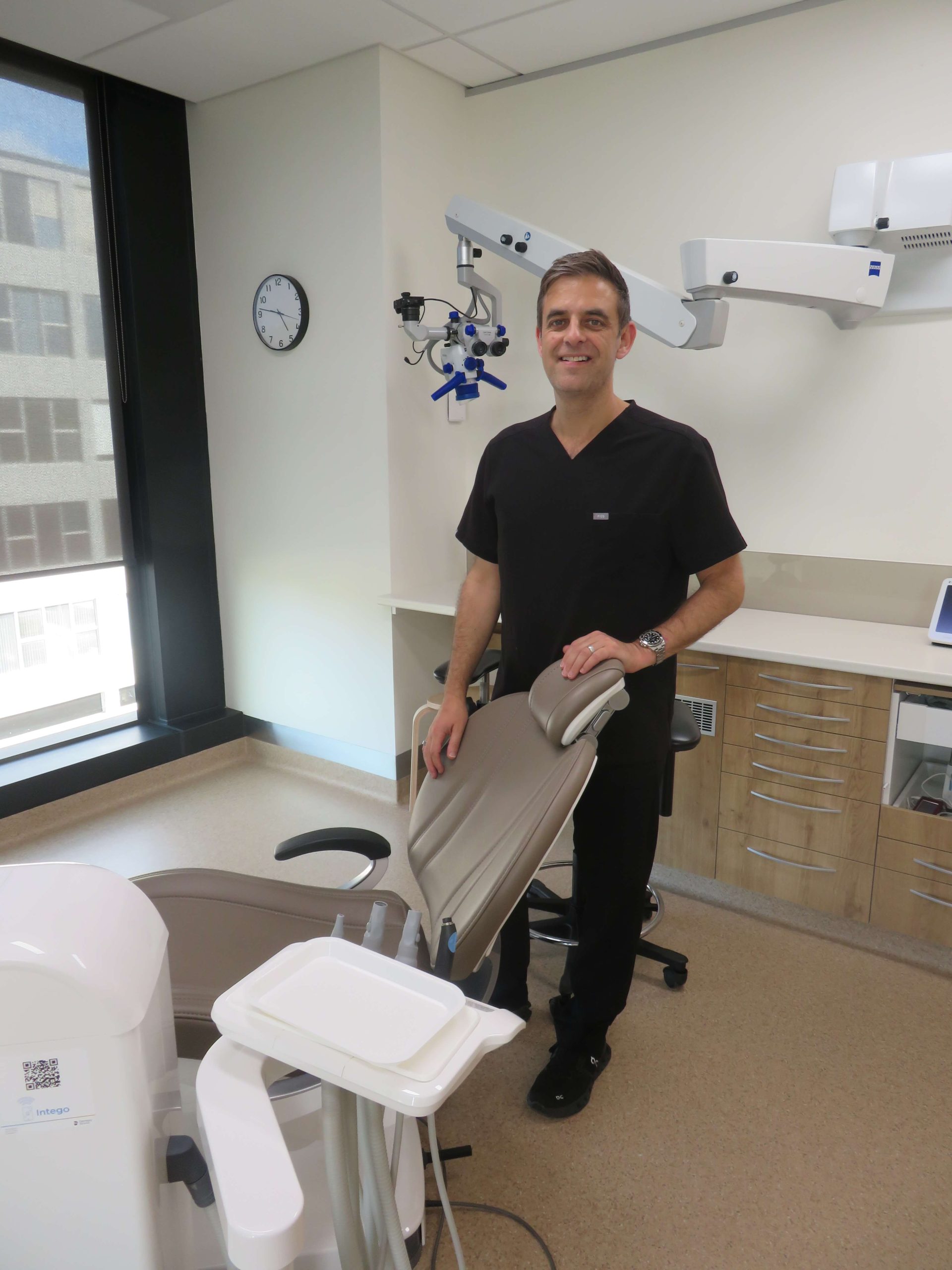
Specialist endodontist in a treatment room fitted with an operating microscope
Endodontist reviewing a magnified microscope image of a tooth

Recovery: what to expect

Expect some swelling and tenderness for a few days, managed with ice, rest and the pain relief we recommend. Most people get back to normal activities quickly.

The bone at the root tip takes considerably longer to heal, and we check it with follow-up X-rays rather than assuming. That’s why we ask you back for reviews. We’d rather check than assume.

Root end surgery or retreatment?

If the canal can be safely reopened and re-cleaned, retreatment usually comes first, because it’s the less invasive option.

Surgery is for when that route is closed off. A post or crown in the way, a blockage that can’t be passed, or retreatment that’s already been done without success. Which one you need comes down to what we find on the X-rays.

What it costs, and what happens afterwards

Fees depend on the tooth, how complex the case is, and whether you have sedation. You’ll get an itemised quote at your consultation, before anything goes ahead, so you can put it to your health fund before you decide.

Afterwards, if the tooth needs a new crown or filling, your own dentist places that. We’ll send them a full record of what we did.

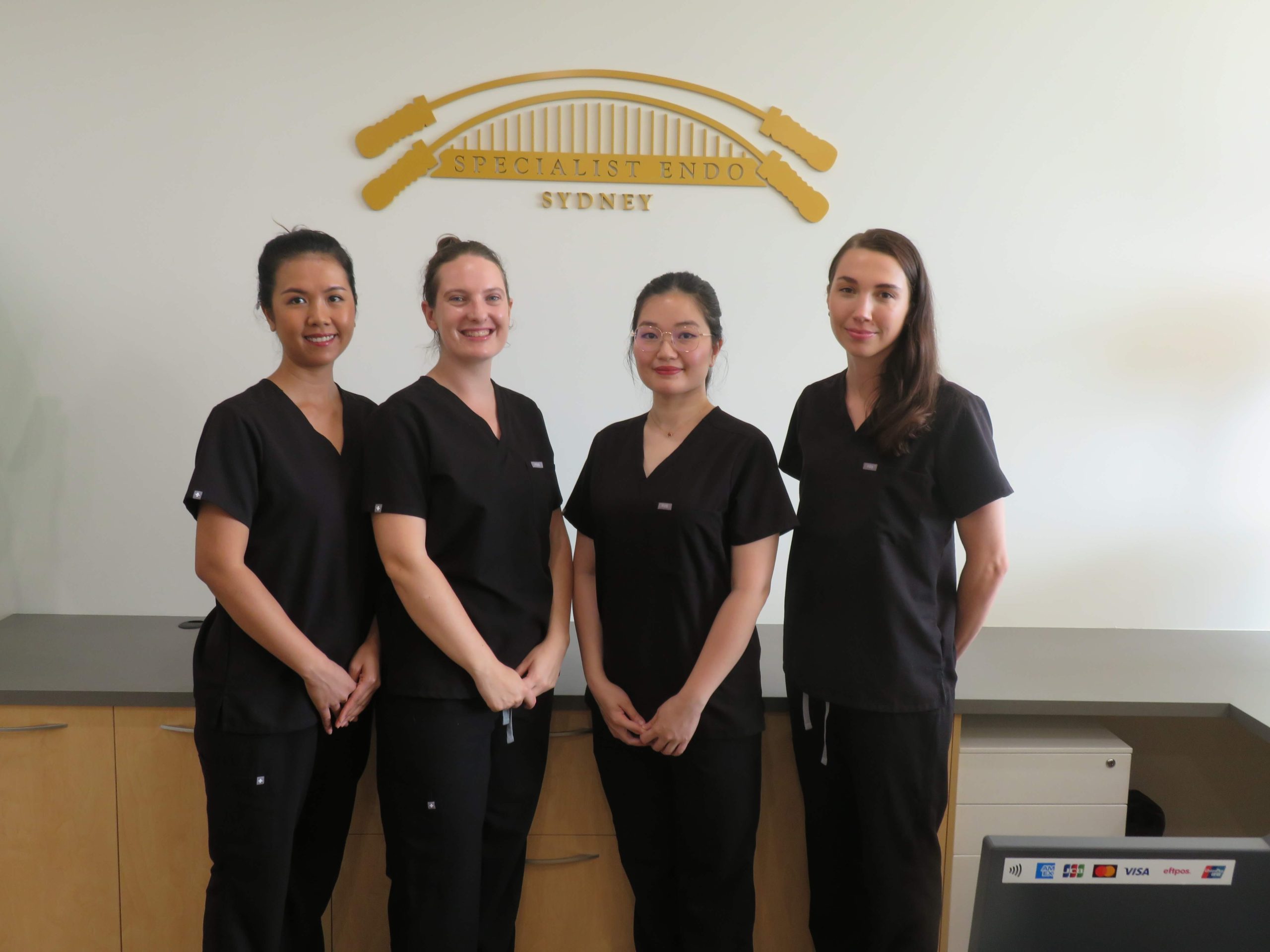
Specialist Endo Sydney clinical and reception team
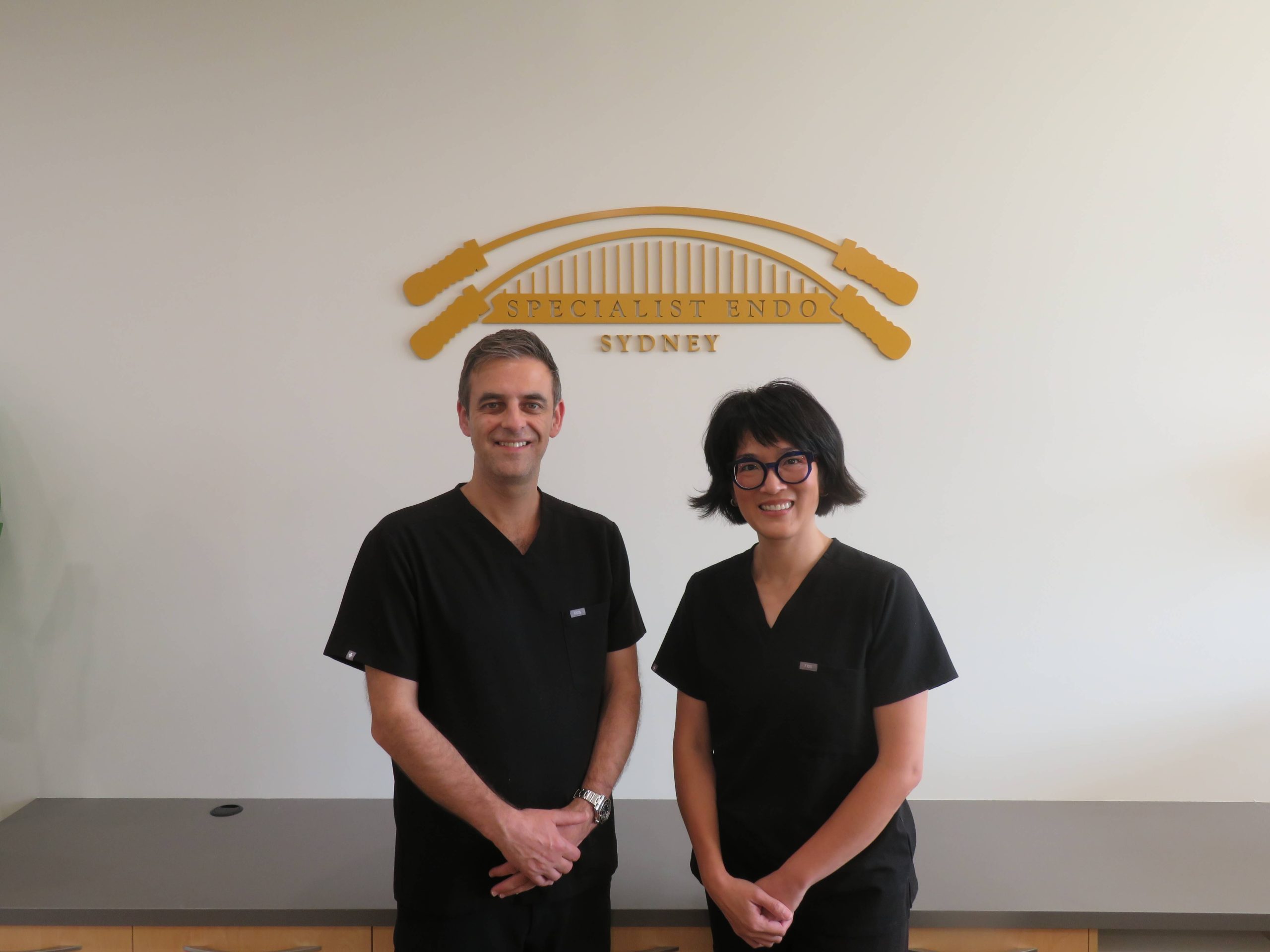
Two members of the Specialist Endo Sydney team at the practice

Why a specialist endodontist

Root end surgery is microsurgery. It needs magnification, surgical training, and imaging to plan it properly.

Our specialist endodontists work with dental operating microscopes, digital and 3D imaging, in purpose-built rooms with day surgery facilities on hand. You can see treated cases to get a sense of the work before you commit to anything.

Why Choose Us

We do our utmost to cater to the needs of our patients.

Expert Team

Our highly skilled endodontists provide precise, specialist care for every patient.

Comfortable Experience

Local anaesthetic and gentle care ensure a pain-free, stress-free visit.

Advanced Technology

We use the latest equipment and techniques for safe and effective treatment.

Proven Results

We focus on saving teeth with high success rates and long-lasting outcomes.

Endodontist positioning a patient for a 3D dental X-ray scan
4.6/5 Average Rating
27+ Years of Experience
✓ Member of American Assoc. Endo

Meet Our Specialist Endodontists

From the Specialist Desk

Keeping You Informed on All Things Endodontics

Frequently Asked Questions:

Everything you need to know about our services, treatments, and care.

It depends on the tooth, the complexity, and whether sedation is used. You’ll have an itemised quote before treatment starts.

Dental treatment generally isn’t covered by Medicare for adults. Private health funds with extras cover often contribute, so bring your quote along to check your level of cover.

Both are done under local anaesthetic, so neither should hurt during the appointment. Because surgery involves the gum, there’s usually a bit more swelling and tenderness for a few days afterwards.

Usually a single appointment, plus a short review to remove the stitches. Your endodontist will give you a specific time at your consultation.

Outcomes depend on the tooth, why the surgery is needed, and how well it’s restored afterwards. Your endodontist will talk through what’s realistic for your particular tooth.

It’s uncommon, but if infection persists, the options are usually repeat surgery or removing the tooth. We’d review the X-rays with you and explain both honestly.

Not always. Surgery is often chosen precisely because it leaves an existing crown undisturbed. If a new one is needed, your own dentist places it.

A referral is helpful because it gives us your history and X-rays, but you don’t need one to book. Dentists can use our referral form.

Book a Consultation

A root canal that hasn’t settled doesn’t mean losing the tooth. Root end surgery treats the infection where it actually is, and for many teeth, it’s the step that saves them.

If you’ve been told your root canal hasn’t healed, or your dentist has mentioned surgery, book a consultation with our specialist endodontists in Crows Nest.

Book Your
Appointment Today!