Root canal treatment and endodontic surgery are both endodontic treatments – they are not rival options. Root canal treatment is carried out through the crown of the tooth. Endodontic surgery, most commonly an apicoectomy, is carried out from the outside, at the tip of the root. Surgery is usually only considered when root canal treatment, or a retreatment, has not settled the infection. Most teeth never need it.
What is root canal treatment?
Inside every tooth is soft tissue called the pulp. It can become inflamed or infected through decay, a crack, a deep filling or a knock to the tooth. Root canal treatment removes that tissue, cleans and disinfects the canal system, then seals it so bacteria cannot re-enter. The tooth is then restored – often with a crown on back teeth, which carry the heaviest load.
Signs you may need root canal treatment
· Ongoing toothache, or pain that throbs
· Sensitivity to hot or cold that lingers after the food or drink is gone
· Pain when you bite or chew on one tooth
· A gum that is tender or swollen beside a single tooth
· A recurring gum abscess, or a bad taste that keeps returning
· A tooth that has darkened compared with its neighbours
Facial swelling, difficulty swallowing or feeling unwell alongside a dental infection needs same-day care. Ring the practice rather than waiting.
What is endodontic surgery (apicoectomy)?
Endodontic surgery describes procedures carried out from outside the tooth rather than through it. The most common is an apicoectomy, also called root-end surgery or root-end resection.
The endodontist lifts a small flap of gum, removes the infected tip of the root along with the infected tissue around it, then seals the root end. The gum is stitched back into place. It is done under local anaesthetic using a dental operating microscope, so the working area is small and precisely defined.
When an endodontist recommends surgery instead
· Infection or symptoms continue after root canal treatment
· A canal is blocked, heavily calcified, or cannot be reached from inside the tooth
· A post or crown means reopening the tooth would risk damaging it
· A small fracture or an extra canal is suspected but not visible on standard X-rays
· A persistent lesion at the root tip needs to be examined directly
Root canal, retreatment or surgery? Understanding the treatment pathway
This is where most articles mislead people. The question is rarely surgery or root canal. It is: what is the right next step for this particular tooth?
- Root canal treatment – the first-line treatment.
- Root canal retreatment – the tooth is reopened, re-cleaned and resealed, often with better access, magnification and canal location techniques than were available the first time.
- Endodontic surgery – when retreatment is not practical, or has already been tried.
- Extraction, then an implant or bridge – the last resort.
An endodontist works down that list in order, because each step tries to keep the natural tooth.
Recovery – what to expect after each procedure
After root canal treatment, your lip and cheek stay numb for a couple of hours. The tooth is often tender to bite on for a few days while the inflammation around the root settles. Most people return to work or study the same day or the next.
After an apicoectomy, expect some swelling and tenderness for a few days, managed with ice, rest and the pain relief your endodontist recommends. Stitches come out at a short review. Bone healing at the root tip takes considerably longer and is checked with follow-up X-rays over the months that follow.
What about extraction and a dental implant?
Extraction is quicker, and sometimes it genuinely is the right answer. But nothing replaces a natural tooth exactly. An implant is a separate surgical procedure with its own healing time and cost, and it sits in bone without the natural ligament that lets a real tooth sense pressure. A bridge means work on the teeth on either side.
That is why, where a tooth is restorable, our position is straightforward: preserving your natural tooth beats an implant.
Choosing a specialist endodontist in Sydney
Specialist endodontists complete several additional years of university training after dental school, and treat these cases every day rather than occasionally.
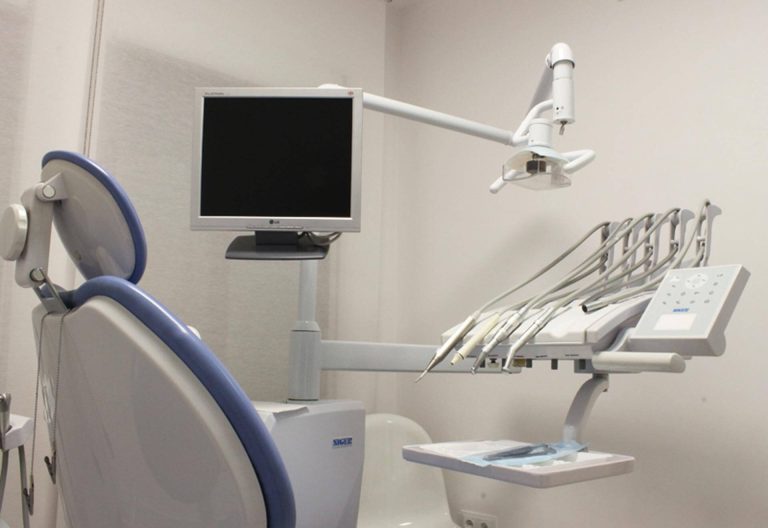
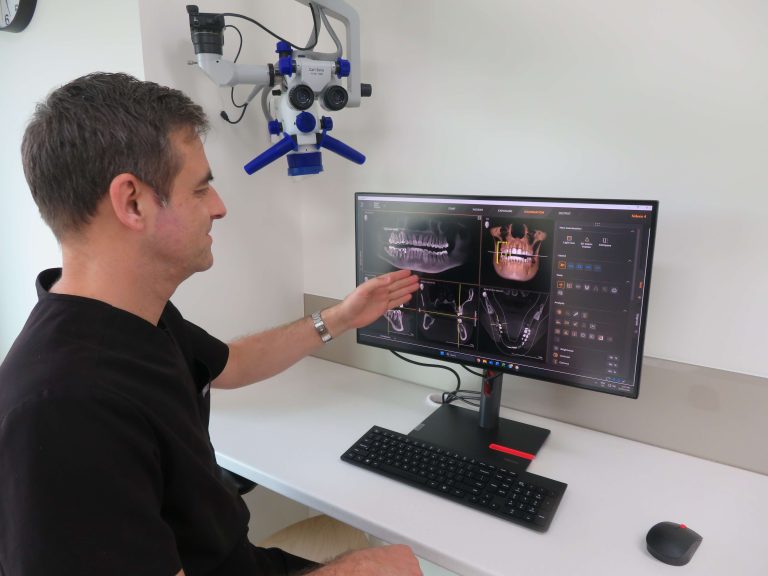
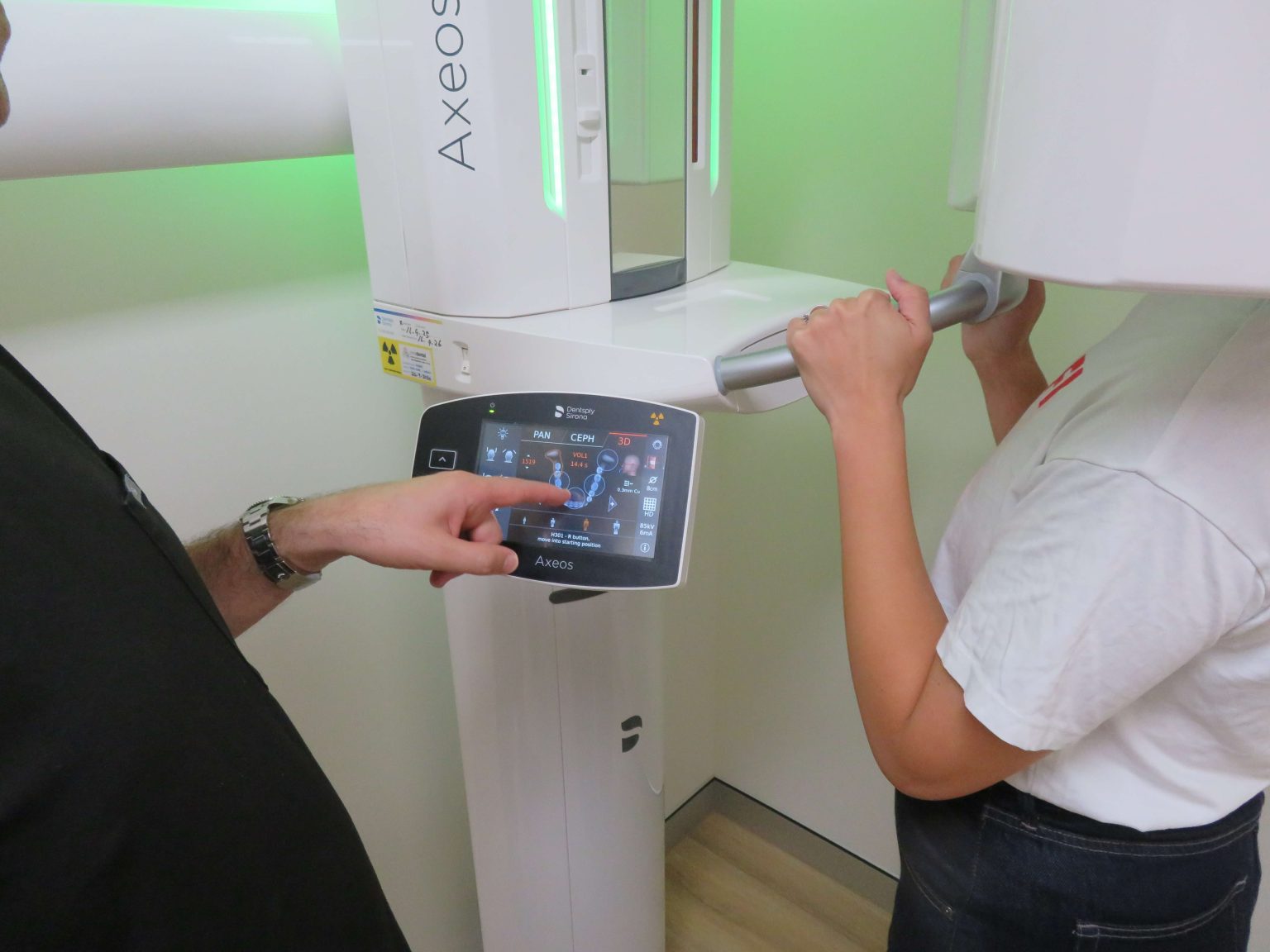
At Specialist Endo Sydney in Crows Nest, Dr Omar Ikram and Dr Jasmine Holgate work with dental operating microscopes, digital and 3D imaging, ultrasonics and rotary instrumentation. In practice, that is the difference between finding a hidden canal and missing it. Our purpose-built rooms have day surgery facilities directly across the hall, and IV sedation is available for nervous or phobic patients. You can see examples of treated cases before you commit to anything.
Frequently Asked Questions
Is a root canal considered endodontic surgery?
No. Root canal treatment is a non-surgical procedure carried out through the crown of the tooth. Endodontic surgery is done from the outside, at the root tip, and involves lifting the gum and placing stitches.
Is an apicoectomy more painful than a root canal?
Both are done under local anaesthetic, so neither should be painful during the appointment. An apicoectomy involves the gum, so there is usually more swelling and tenderness in the days afterwards.
Can a regular dentist do an apicoectomy?
In practice, it is almost always carried out by a specialist endodontist, because it requires surgical training and microscope-based technique.
Do endodontists do apicoectomies?
Yes. Along with root canal treatment and retreatment, it is a core part of specialist endodontic practice.
What is the success rate of an apicoectomy?
Outcomes depend on the tooth, the reason for the surgery and how well it is restored afterwards. Your endodontist will discuss the likely outcome for your specific tooth at your consultation.
What happens if I do not have the apicoectomy?
A persistent infection at the root tip does not usually resolve on its own. It may stay quiet for a time, then flare, and the surrounding bone can continue to be affected – which can eventually mean losing the tooth.
How much does endodontic surgery cost in Australia?
It depends on the tooth, its complexity and whether sedation is used. Fees are discussed and itemised at your consultation before treatment, so you can check your health fund cover.
Is it better to have a root canal done by a dentist or an endodontist?
Many straightforward cases are managed well by general dentists. Molars, unusual anatomy, retreatment, and teeth that are still symptomatic after treatment are where specialist training, magnification and 3D imaging make the most difference.
Book an Appointment Now!
Endodontic surgery is not an alternative to root canal treatment – it is the next step when root canal treatment or retreatment has not resolved the problem. Getting an accurate diagnosis first is what decides which step your tooth actually needs.
If you have a tooth that is still sore after root canal treatment, or your dentist has mentioned surgery, book a consultation with our specialist endodontists in Crows Nest. Referring practitioners can use our referral form.