What To Expect After Root Canal Treatment
Most people are surprised by how ordinary the days after root canal treatment feel. The tooth is often tender to bite
Once a root canal has been cleaned, it must be carefully filled and restored to help protect the tooth from reinfection and further damage.
Cleaning and disinfecting the inside of a tooth is only part of endodontic treatment. Once the root canal system has been prepared, it needs to be filled and sealed to prevent bacteria and moisture from re-entering the tooth.
At Specialist Endo Sydney, we use precise techniques to fill the prepared canals and create a secure seal. The tooth is then restored temporarily or permanently, depending on your treatment plan and the amount of healthy tooth structure remaining.
Canal filling is the stage of treatment that follows cleaning, disinfection and shaping of the root canal system.
After the canals have been thoroughly prepared and dried, they are filled with a biocompatible material. This material is placed throughout the canal space with a dental sealer to close small gaps and create a stable internal seal.
The aim is to protect the cleaned canal system from new bacteria while supporting the continued function of your natural tooth.
Canal filling is an important part of root canal treatment in Sydney and is carried out only when the tooth is ready to be sealed.
A tooth that has required root canal treatment may already have been weakened by decay, infection, cracks, trauma or previous dental work.
After the canals have been filled, the opening used to access the inside of the tooth must also be sealed. This helps protect the canal filling and prevents saliva and bacteria from entering through the top of the tooth.
A suitable restoration can also:
The type of restoration recommended will depend on the tooth, its location, and how much of its natural structure remains.
Canal filling seals the internal spaces within the roots, while the restoration protects the visible part of the tooth.
Both stages are important. A well-cleaned root canal can still be affected if the restoration above it breaks down or allows bacteria to enter. In the same way, a strong restoration cannot compensate for canals that have not been properly located, cleaned and sealed.
Our approach combines careful filling with advanced canal location and shaping to manage the entire root canal system as thoroughly as possible.

Before the canals are filled, your endodontist will assess the tooth and confirm that it is ready for the next stage. The canals may be irrigated again to remove any remaining debris or temporary medication.

The canals are carefully dried before the filling material is placed. A clean, dry canal system helps create a more reliable seal.

A biocompatible material, commonly gutta-percha, is placed into the prepared canals with an endodontic sealer. The material is adapted to the shape of each canal to fill the available space.

Once the canals have been filled, the opening in the tooth is sealed. A temporary or permanent material may be used depending on whether further restorative treatment is required.
A temporary filling may be placed immediately after endodontic treatment. It protects the tooth for a limited period while you arrange the final restoration with your dentist.
Temporary materials are not designed to provide long-term protection. Until the final restoration is completed, it is best to avoid biting hard or sticky foods on the treated tooth.
The final restoration is designed to provide a stronger and more durable seal. The most appropriate option will depend on the tooth and the extent of the remaining structure.
Front teeth may sometimes be restored with a bonded filling. Back teeth often experience greater chewing pressure and may require an onlay or crown for additional protection.
A crown may be recommended when a tooth has lost a significant amount of structure or is at increased risk of fracture.
This is particularly common for molars and premolars because they absorb considerable pressure during chewing. A crown covers and supports the remaining tooth, helping distribute biting forces more evenly.
Not every root canal-treated tooth needs a crown. Your endodontist and general dentist will consider:
A tooth with a suspected crack may require further assessment before treatment is completed. Learn more about our specialist approach to cracked tooth treatment in Sydney.
Delaying the final restoration can leave the tooth more vulnerable to leakage, fracture or loss of the temporary filling.
The treated tooth may feel comfortable, but it still requires appropriate protection. A temporary restoration can wear down or loosen over time, allowing bacteria to reach the canal system.
Your endodontist will let you know how soon you should see your general dentist. Following this advice is an important part of protecting the result of your treatment.
Contact the practice promptly if the temporary filling comes out, the tooth breaks or your symptoms return.
We do our utmost to cater to the needs of our patients.
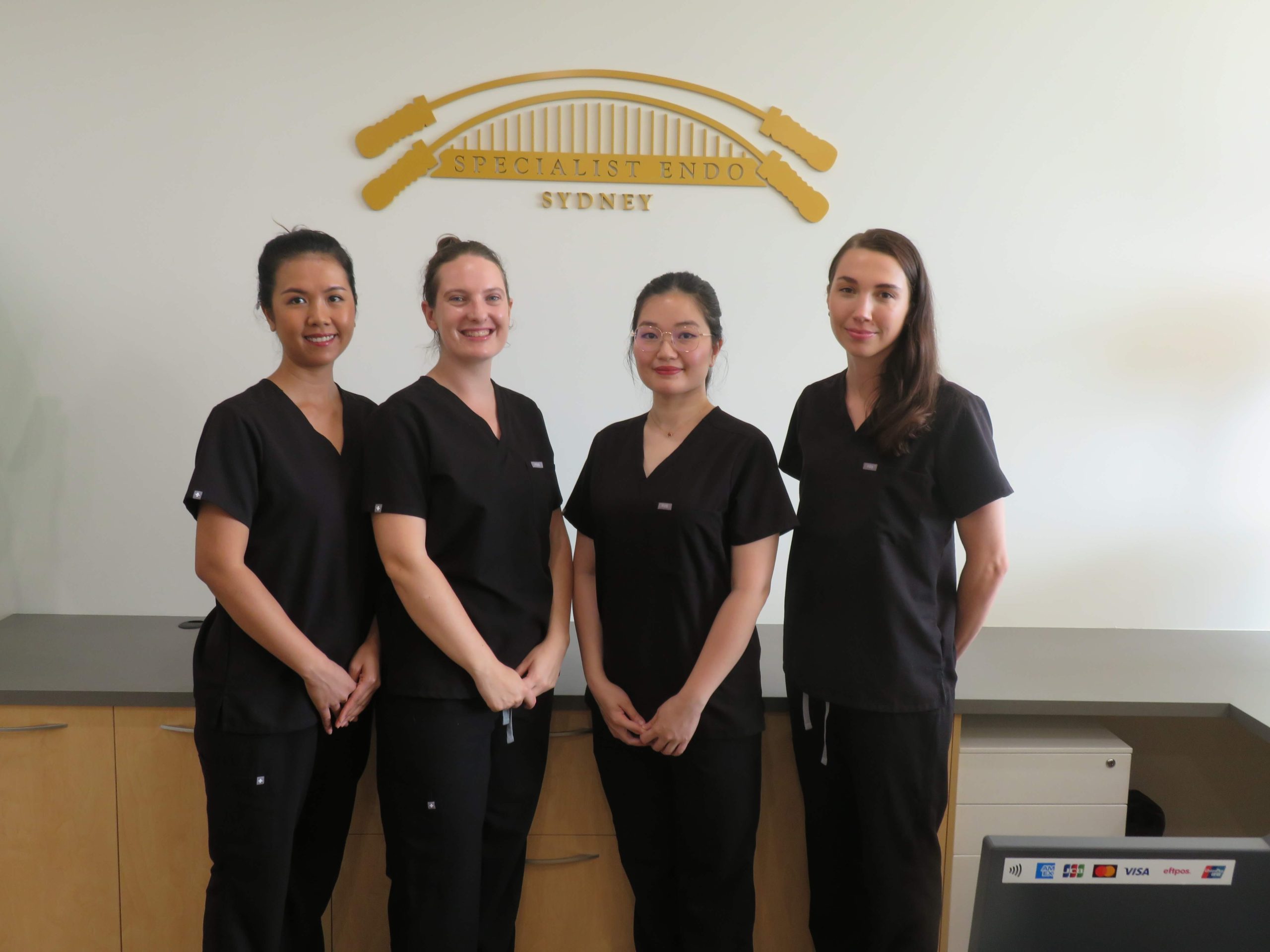
Our highly skilled endodontists provide precise, specialist care for every patient.
Local anaesthetic and gentle care ensure a pain-free, stress-free visit.
We use the latest equipment and techniques for safe and effective treatment.
We focus on saving teeth with high success rates and long-lasting outcomes.
After your appointment, the area may feel tender for a short period. This is usually manageable with the aftercare advice provided by your endodontist.
To protect the tooth:
Once the final restoration has been placed, you can generally care for the tooth in the same way as your other teeth.
Specialist Endodontist (Root Canal and Endodontic Treatment)
Specialist Endodontist (BDent, DClinDent, FICD)


Keeping You Informed on All Things Endodontics

Most people are surprised by how ordinary the days after root canal treatment feel. The tooth is often tender to bite
Root canal treatment and endodontic surgery are both endodontic treatments – they are not rival options. Root canal treatment is carried

Over 25 years ago, dentistry focused on an overly simplistic idea: If a tooth is compromised… remove it and place an
Endodontic treatment involves working within very small and complex spaces. Precise canal filling is essential to create a secure seal and support a predictable result.
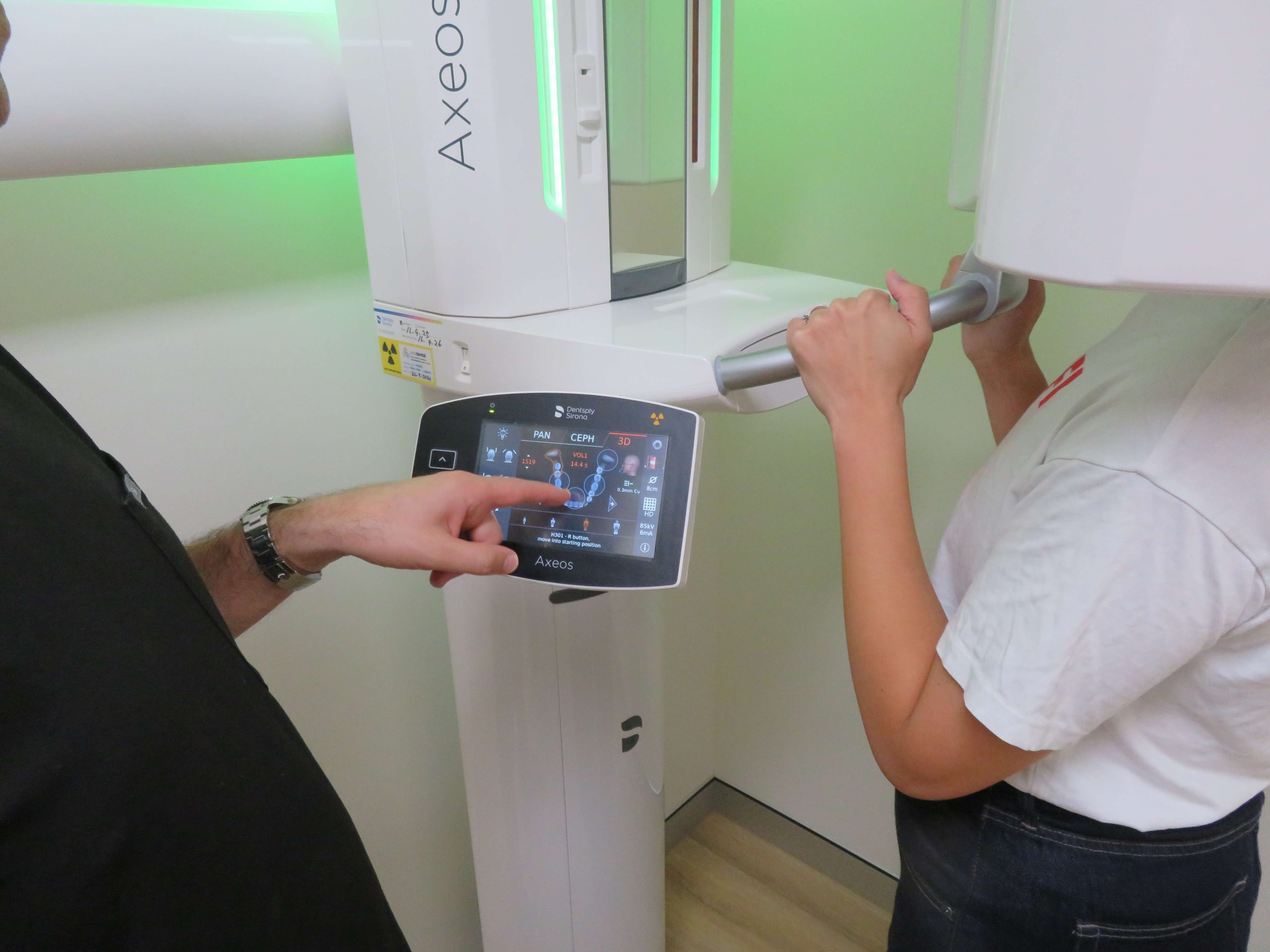
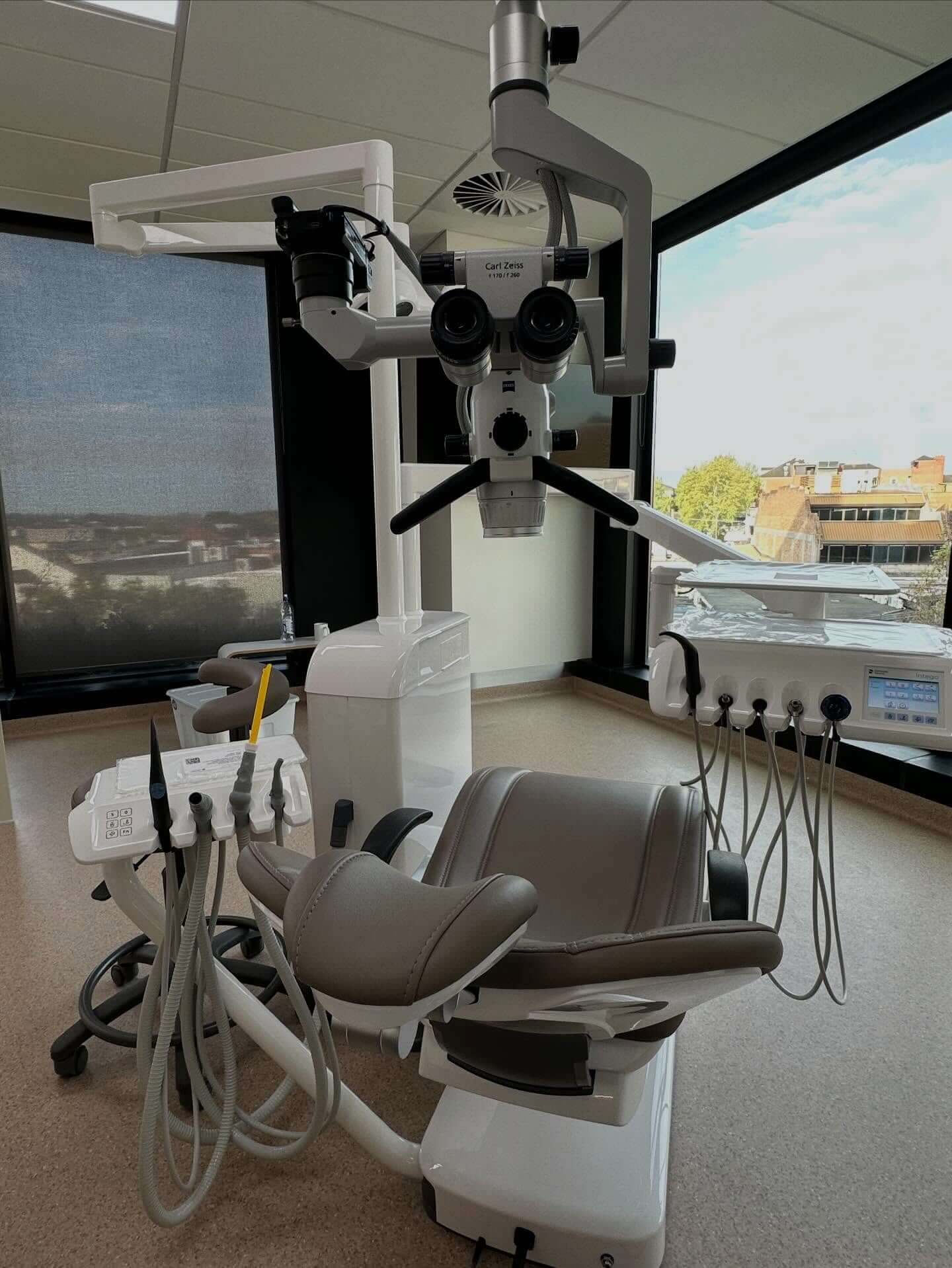
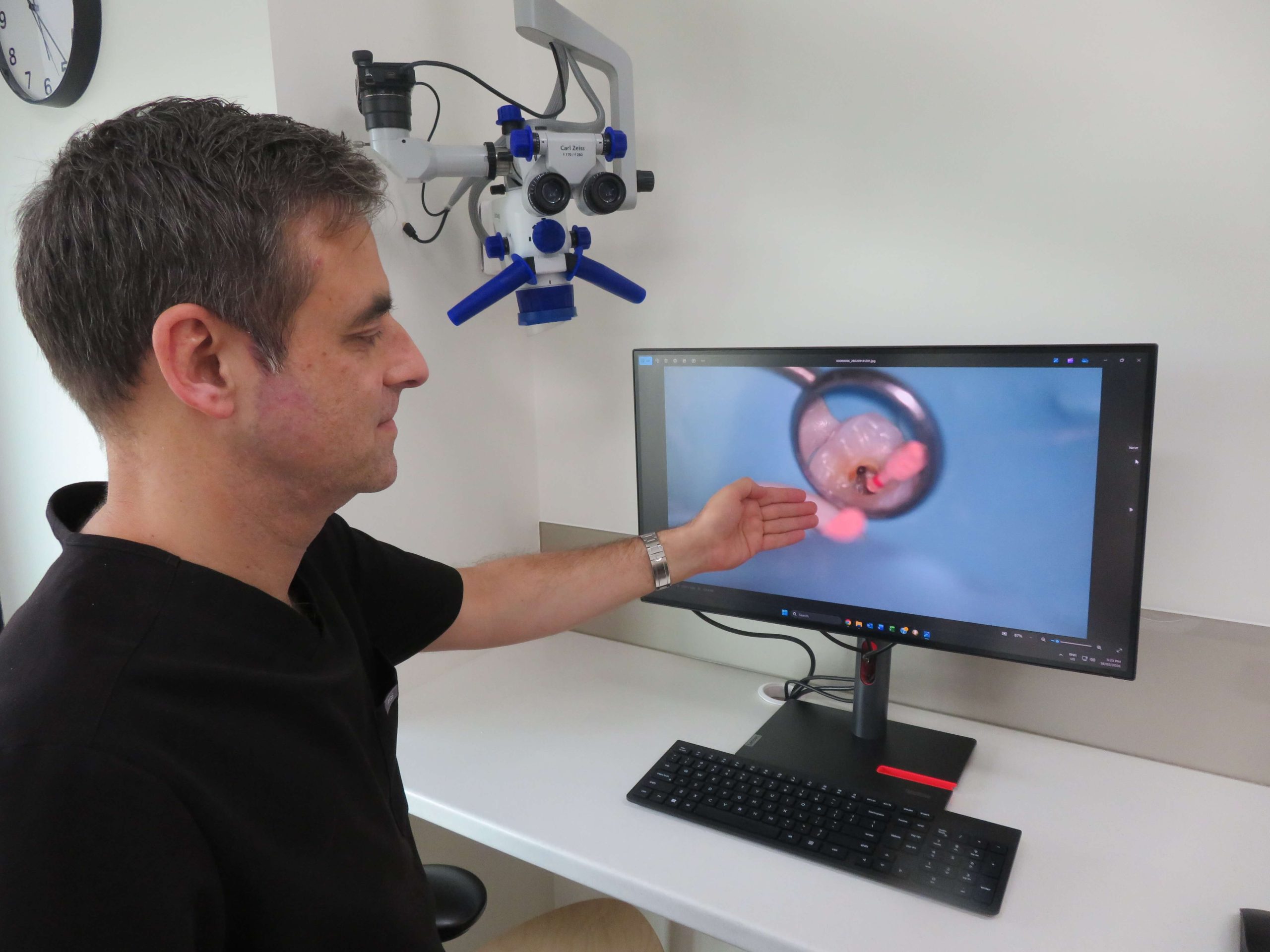
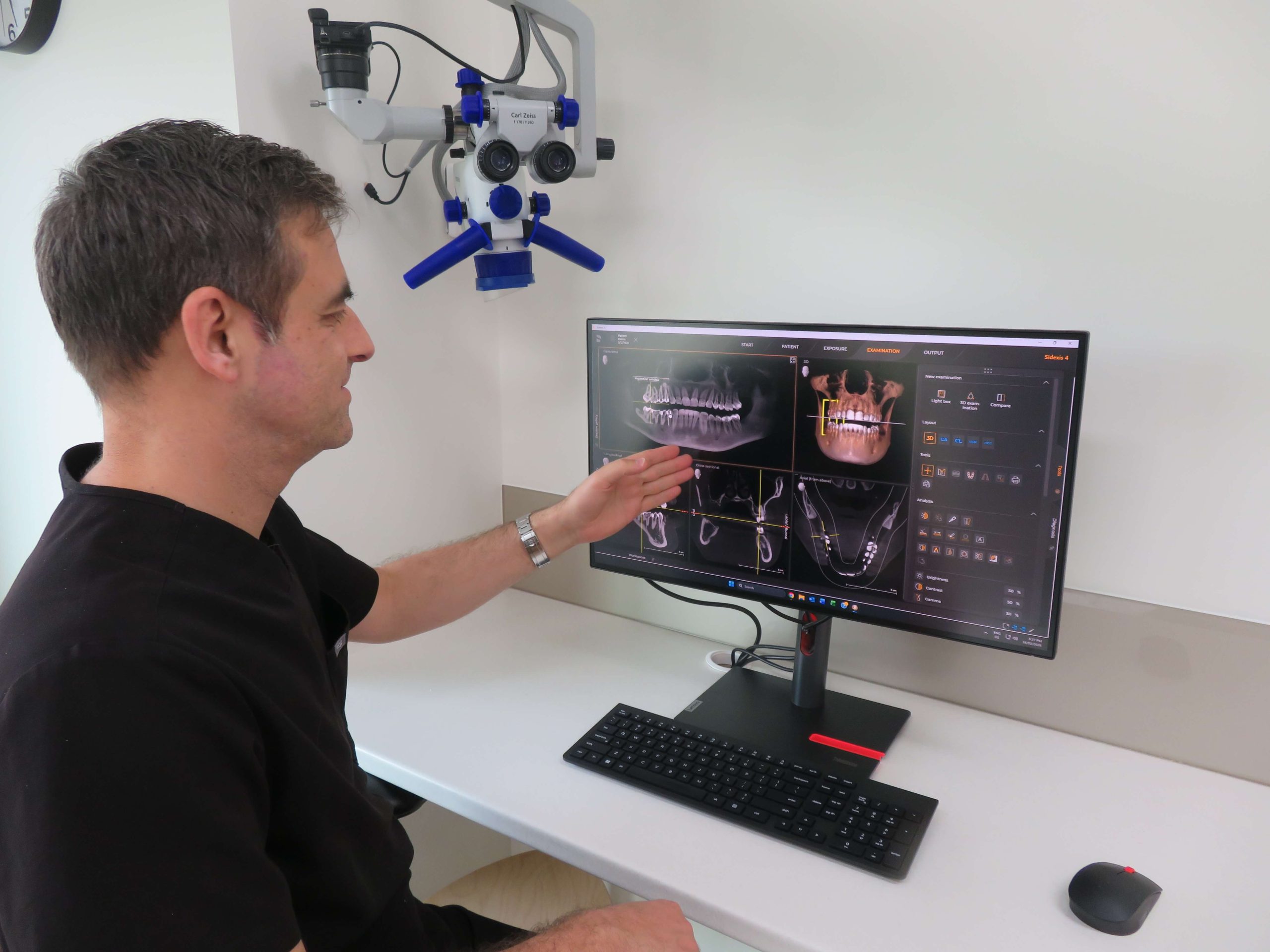
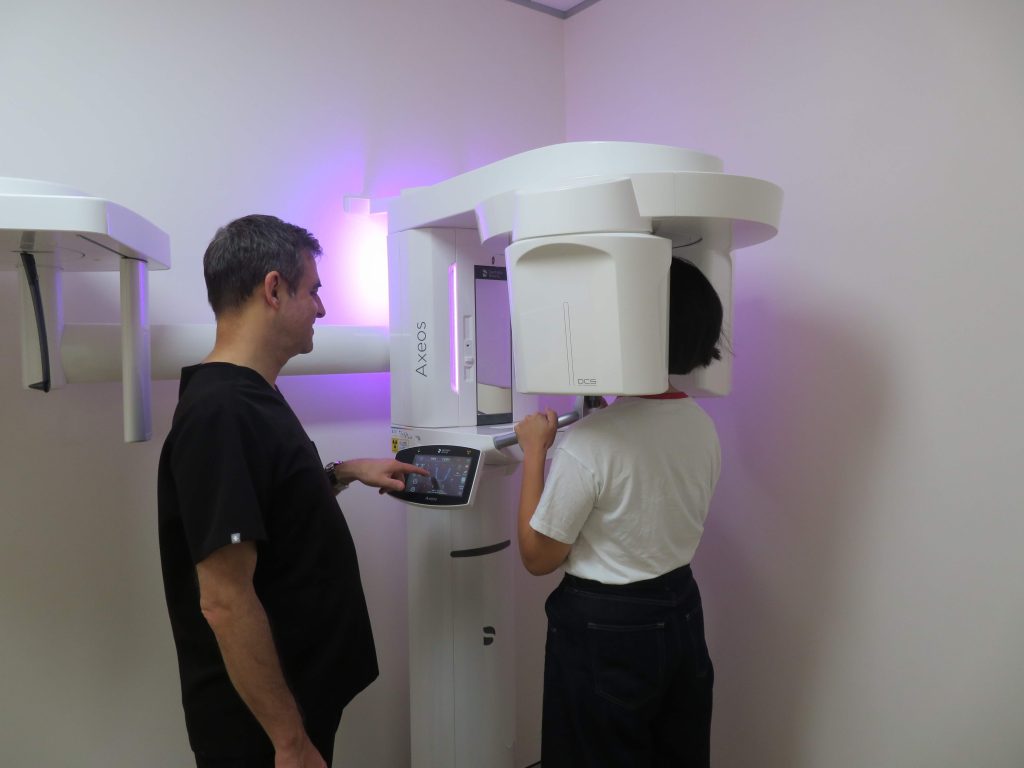
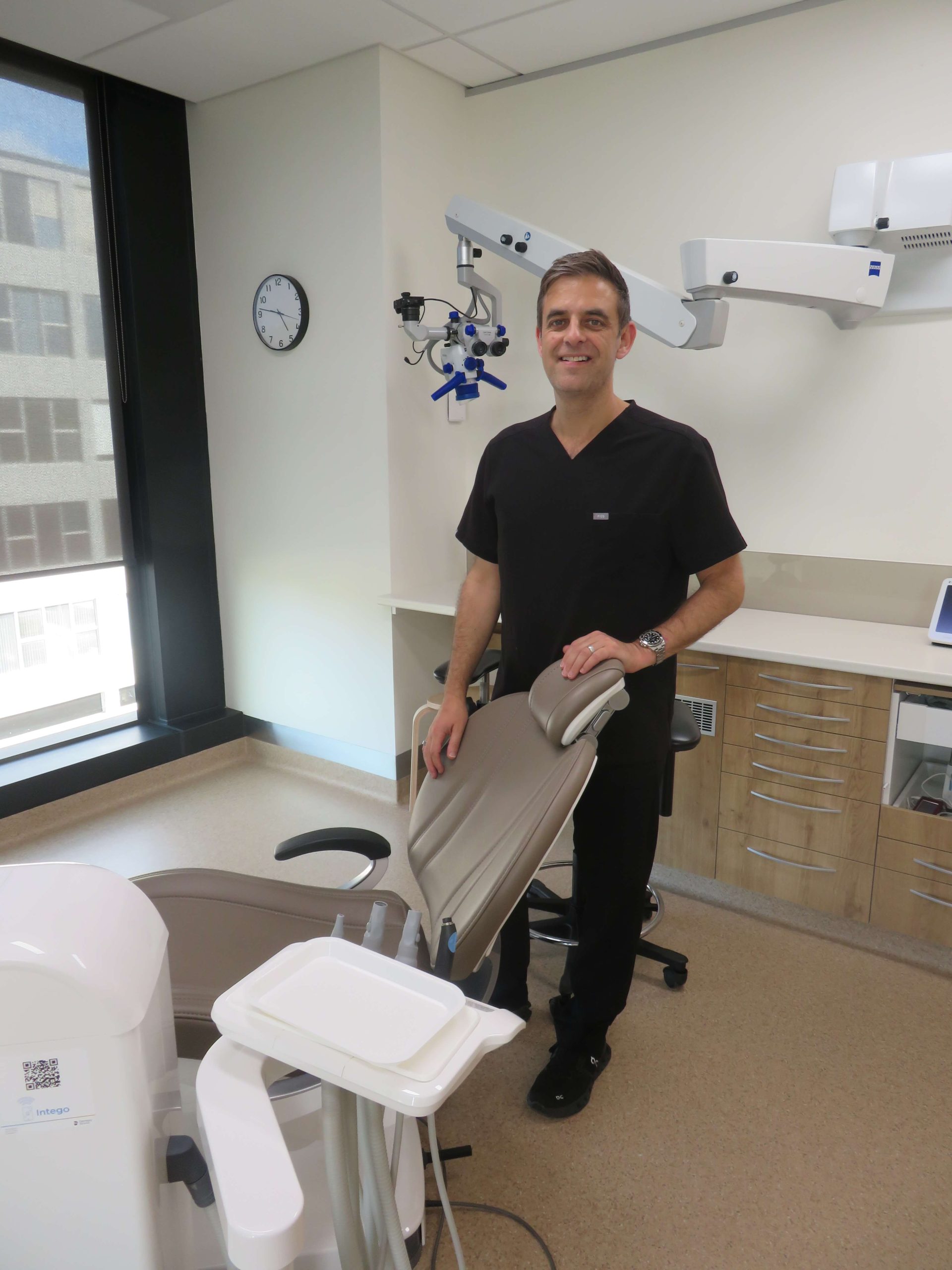
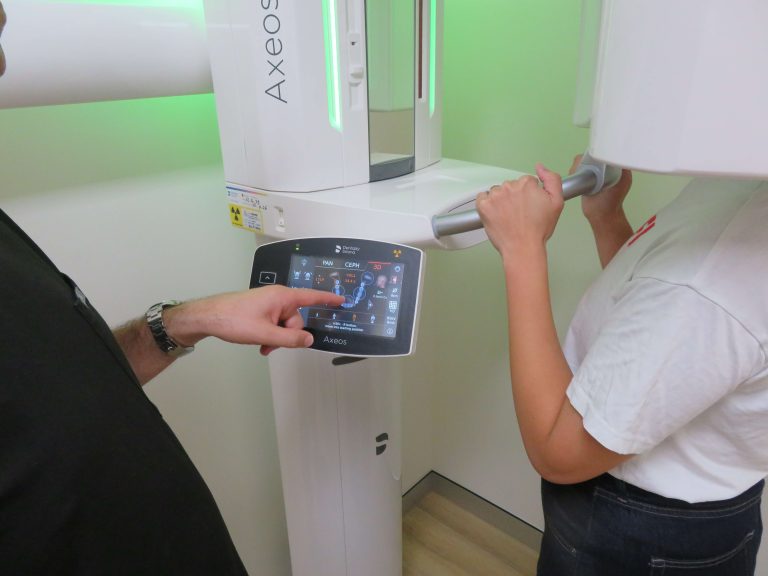
At Specialist Endo Sydney, treatment is carried out using specialist magnification, modern imaging and techniques selected for the individual tooth.
Our focus is on:
Everything you need to know about our services, treatments, and care.
The procedure is completed with local anaesthetic to keep you comfortable. You may notice some pressure during treatment, but you should not feel sharp pain.
Root canals are commonly filled with gutta-percha, a biocompatible material designed for endodontic treatment. It is used with a sealer to fill the prepared canal space.
No. The root canal filling seals the spaces inside the roots. A separate restoration is placed over the access opening at the top of the tooth.
It depends on the tooth and how much healthy structure remains. Back teeth are more likely to require a crown because they are exposed to heavier chewing forces.
Your endodontist will provide a recommended timeframe. It is important not to leave a temporary restoration in place longer than advised.
Avoid heavy chewing on the tooth until the numbness has worn off and the final restoration has been completed. Once properly restored, the tooth should function normally.
With a well-sealed canal system, a suitable final restoration and ongoing dental care, a treated tooth may remain functional for many years. The outcome depends on the condition of the tooth and how well it is protected after treatment.
Careful canal filling and timely restoration help protect your tooth after root canal treatment. Our specialist team will explain each stage, coordinate with your dentist, and provide clear guidance to complete your care.
Book Your
Appointment Today!