What To Expect After Root Canal Treatment
Most people are surprised by how ordinary the days after root canal treatment feel. The tooth is often tender to bite
Careful cleaning and disinfection are essential parts of successful endodontic treatment. Dental irrigation and medication help remove bacteria, infected tissue and debris from areas inside the tooth that cannot always be reached with instruments alone.
The inside of a tooth is more complex than it may appear. Root canals can be narrow, curved or divided into small branches, creating spaces where bacteria and tissue may remain if the tooth is not thoroughly cleaned.
As part of our specialist root canal treatment in Sydney, irrigation solutions are carefully introduced into the canal system. These solutions help flush out debris, break down remaining tissue and reduce microorganisms before the canals are sealed.
In some cases, medication may also be placed inside the tooth between appointments. This provides additional time for the canal system to settle and may help manage infection before treatment is completed.
Dental irrigation is the controlled use of cleaning solutions inside a tooth during endodontic treatment. It is not the same as using a water flosser or rinsing around the gums.
During treatment, small instruments are used to shape the canals and create a path for cleaning. Irrigation works alongside these instruments by flowing into areas that files may not directly contact, including small fins, curves and irregular spaces within the canal system.
The solution is delivered carefully and in a controlled manner. Depending on the tooth and the complexity of the case, the endodontist may also use specialised activation techniques to improve the movement of the irrigant throughout the canal.
Mechanical preparati
Cleaning a root canal involves more than simply removing the nerve from the centre of the tooth. Bacteria, damaged tissue and fine debris can remain within the tooth’s internal spaces.
Irrigation helps to:
This cleaning stage is closely connected to advanced canal location and shaping. Accurately finding and preparing each canal allows the irrigation solution to circulate more effectively and reach the areas that require treatment.
Different irrigation solutions have different purposes. The most suitable combination and sequence will depend on the diagnosis, tooth anatomy and stage of treatment.
Sodium hypochlorite is commonly used during endodontic care because it has antimicrobial properties and can help dissolve organic tissue. A chelating solution, such as EDTA, may also be used to remove the fine layer of debris formed during canal shaping.
These solutions must be handled with care. They are delivered using controlled techniques designed to keep the irrigant within the root canal system while thoroughly cleaning the tooth.
There is no single irrigation approach that is appropriate for every patient. Your endodontist will choose the solutions, concentration, volume and activation method that suit your individual tooth.
Intracanal medication is a material placed temporarily inside a cleaned root canal. It remains within the tooth between appointments and is removed before the canals receive their final filling.
Calcium hydroxide is one medication that may be selected in appropriate cases. It creates an alkaline environment within the canal and may be used when additional disinfection time is considered beneficial.
This is different from medication taken by mouth. Intracanal medication works locally inside the tooth and is protected by a secure temporary restoration while the tooth is between treatment visits.
Not every root canal requires medication or multiple appointments. Some teeth can be cleaned, disinfected and sealed during one visit. Others benefit from a staged approach, particularly when there is persistent infection, drainage, complex anatomy or previous treatment that needs to be revised.
Medication may form part of treatment when a tooth has:
A crack can also allow bacteria to enter the pulp and root canal system. When this happens, irrigation and medication may be used alongside specialist cracked tooth treatment in Sydney to manage infection and determine whether the tooth can be predictably preserved.

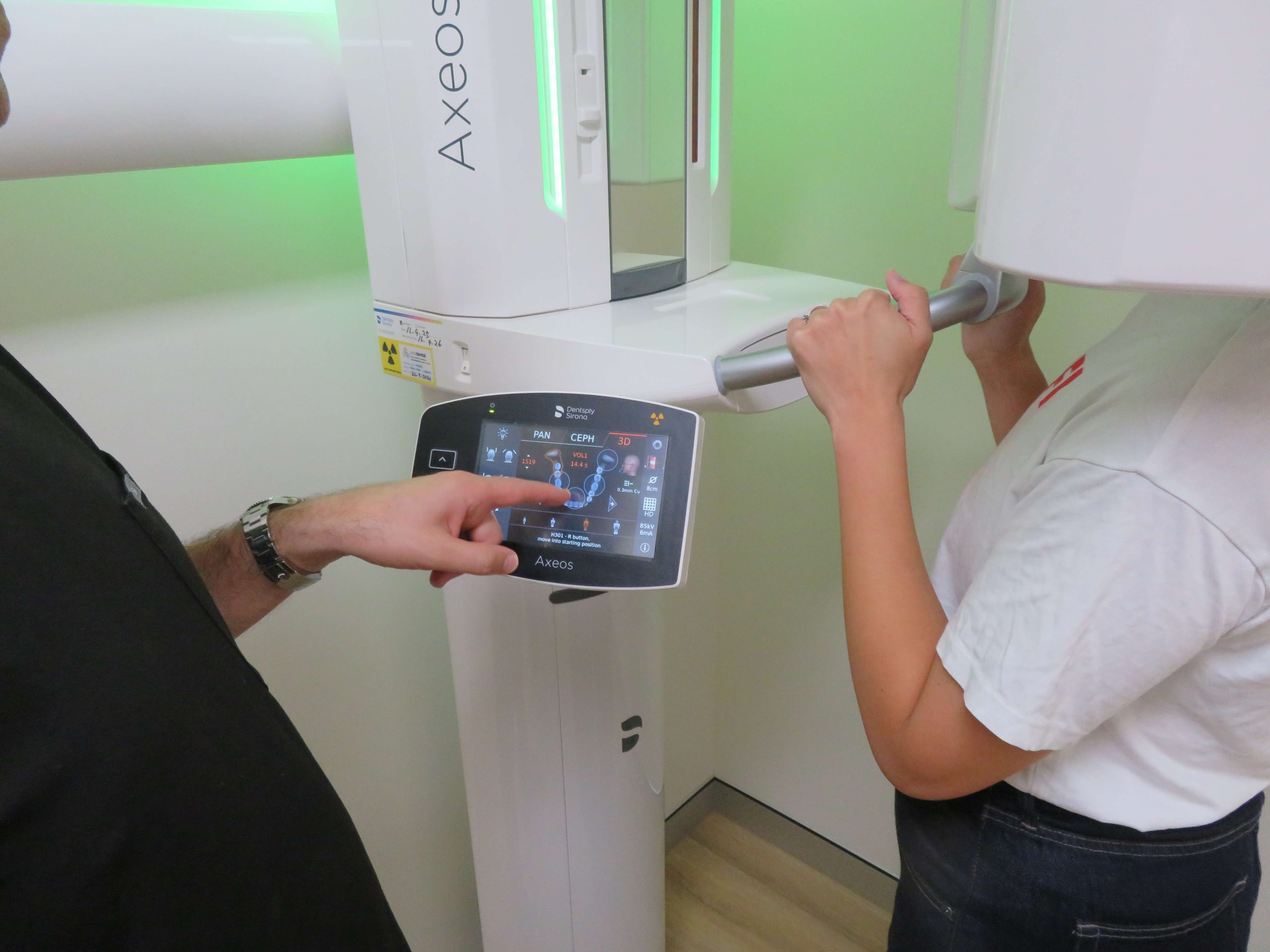
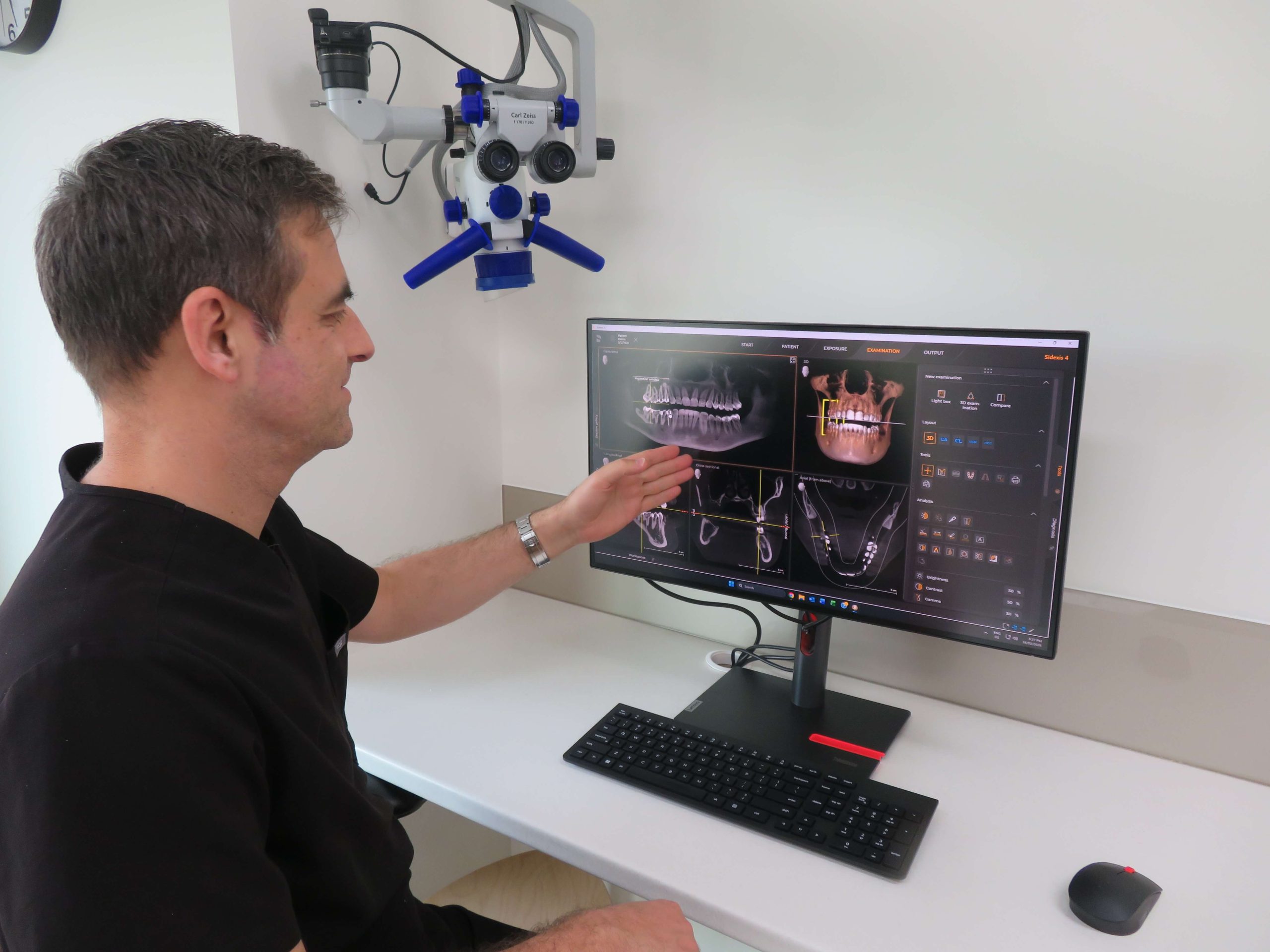
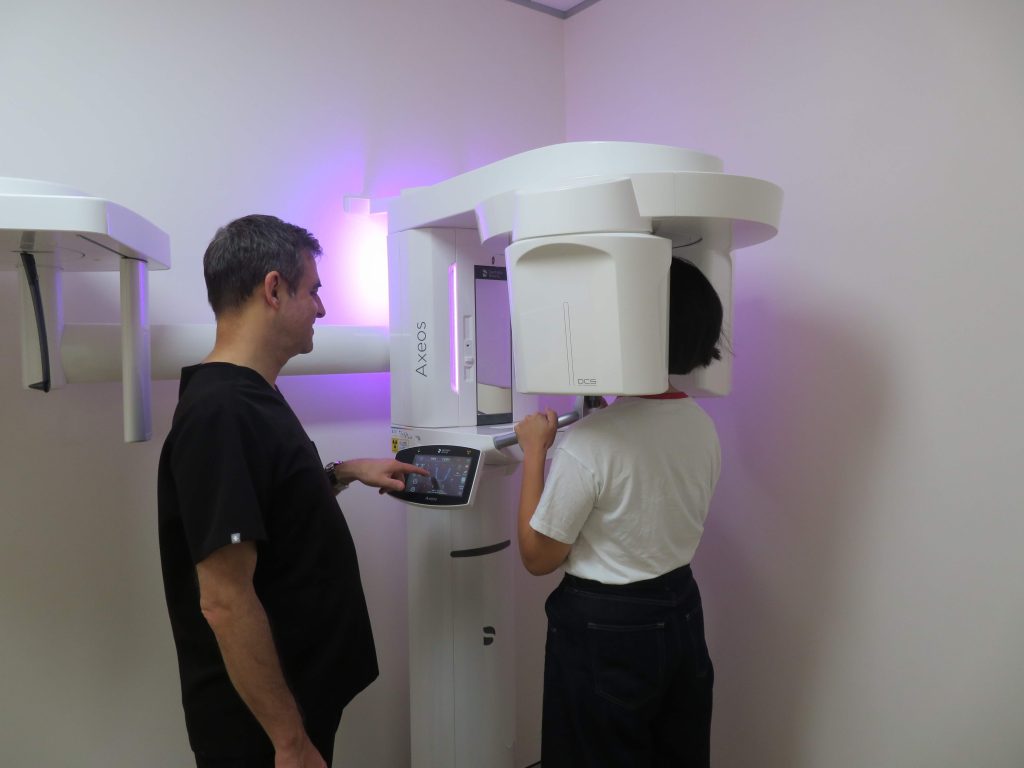
We begin by examining the tooth and reviewing any relevant imaging. This helps us understand the shape of the roots, the extent of infection and whether previous treatment or structural damage is present.

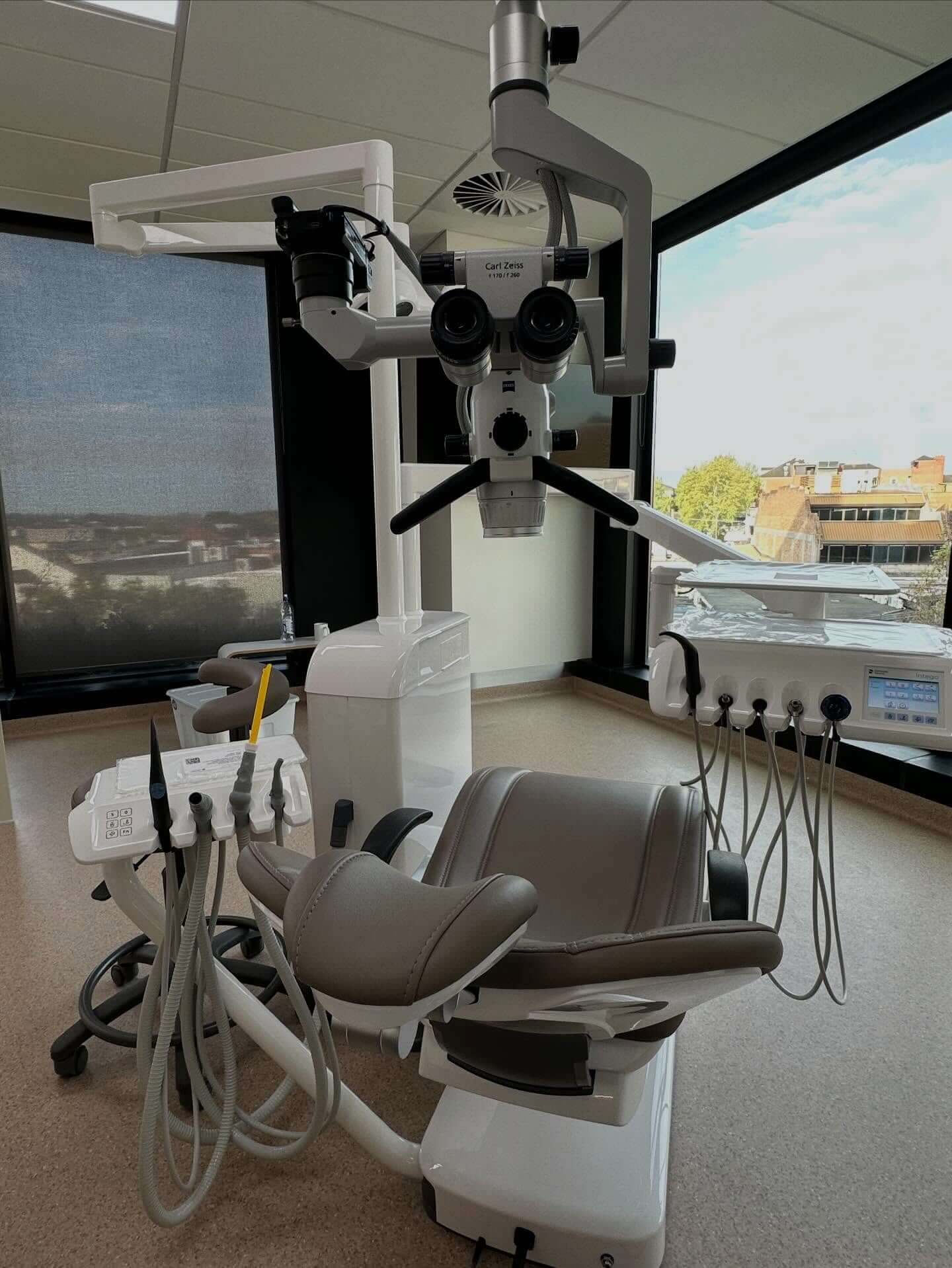
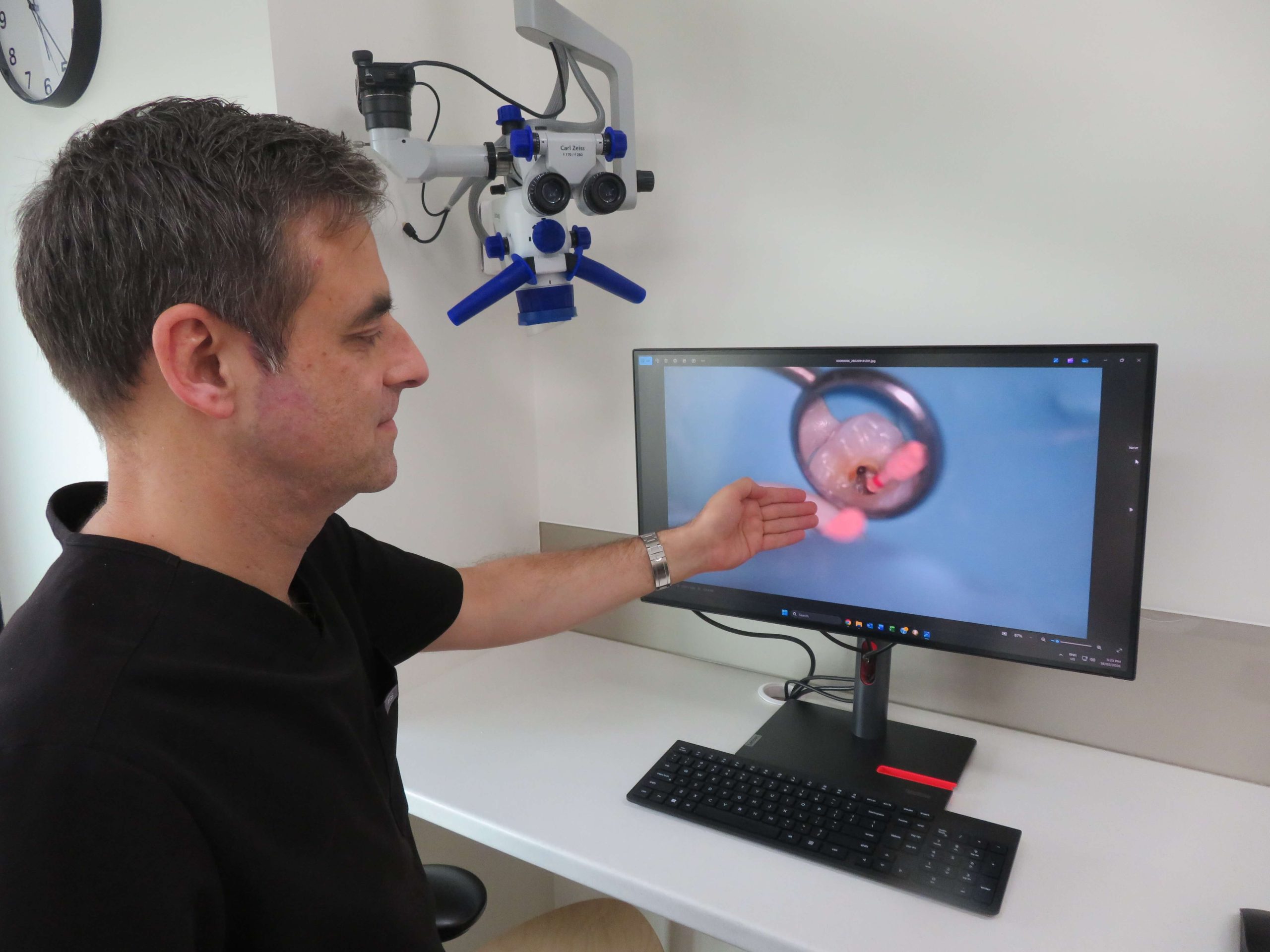
Using magnification and specialised instruments, the canals are located and carefully shaped. This creates room for the irrigation solution to move through the tooth while preserving as much healthy structure as practical.

Selected solutions are introduced into the canals to flush out debris, reduce bacteria and clean areas beyond the direct reach of instruments. Additional activation may be used when appropriate.

For cases requiring treatment across multiple visits, medication may be placed inside the canals. The tooth is then closed with a temporary restoration to protect it between appointments.
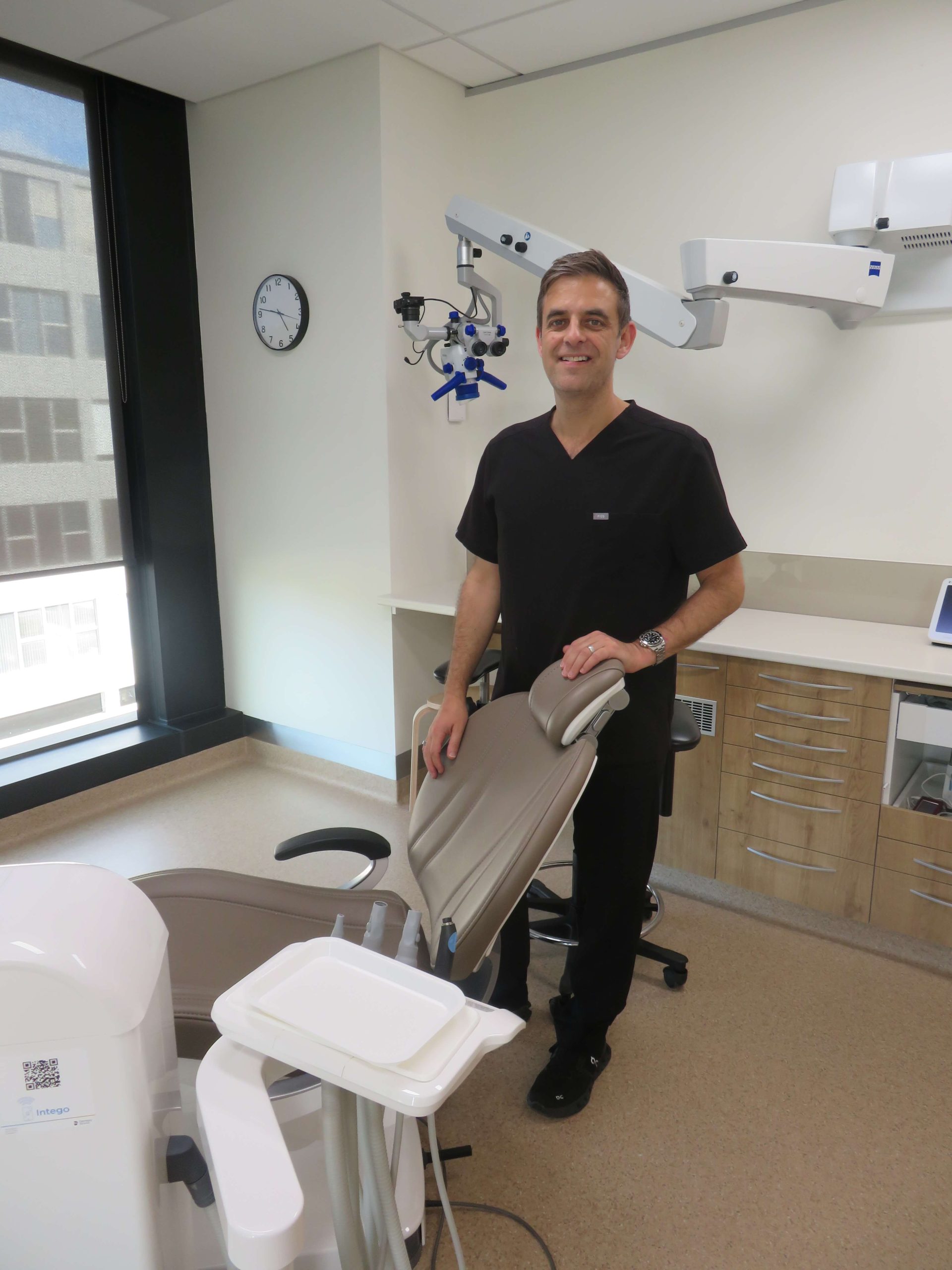
We do our utmost to cater to the needs of our patients.
Our highly skilled endodontists provide precise, specialist care for every patient.
Local anaesthetic and gentle care ensure a pain-free, stress-free visit.
We use the latest equipment and techniques for safe and effective treatment.
We focus on saving teeth with high success rates and long-lasting outcomes.

Specialist techniques help address the small, irregular and difficult-to-access spaces within the root canal system.

The irrigation and medication protocol is selected according to the condition of your tooth rather than using the same approach for every case.

Teeth with curved roots, calcified canals, previous treatment or unusual anatomy often require additional experience and precision.

Every stage of treatment is planned to control infection while preserving as much natural tooth structure as possible.

Specialist Endodontist (Root Canal and Endodontic Treatment)
Specialist Endodontist (BDent, DClinDent, FICD)


Keeping You Informed on All Things Endodontics

Most people are surprised by how ordinary the days after root canal treatment feel. The tooth is often tender to bite
Root canal treatment and endodontic surgery are both endodontic treatments – they are not rival options. Root canal treatment is carried

Over 25 years ago, dentistry focused on an overly simplistic idea: If a tooth is compromised… remove it and place an
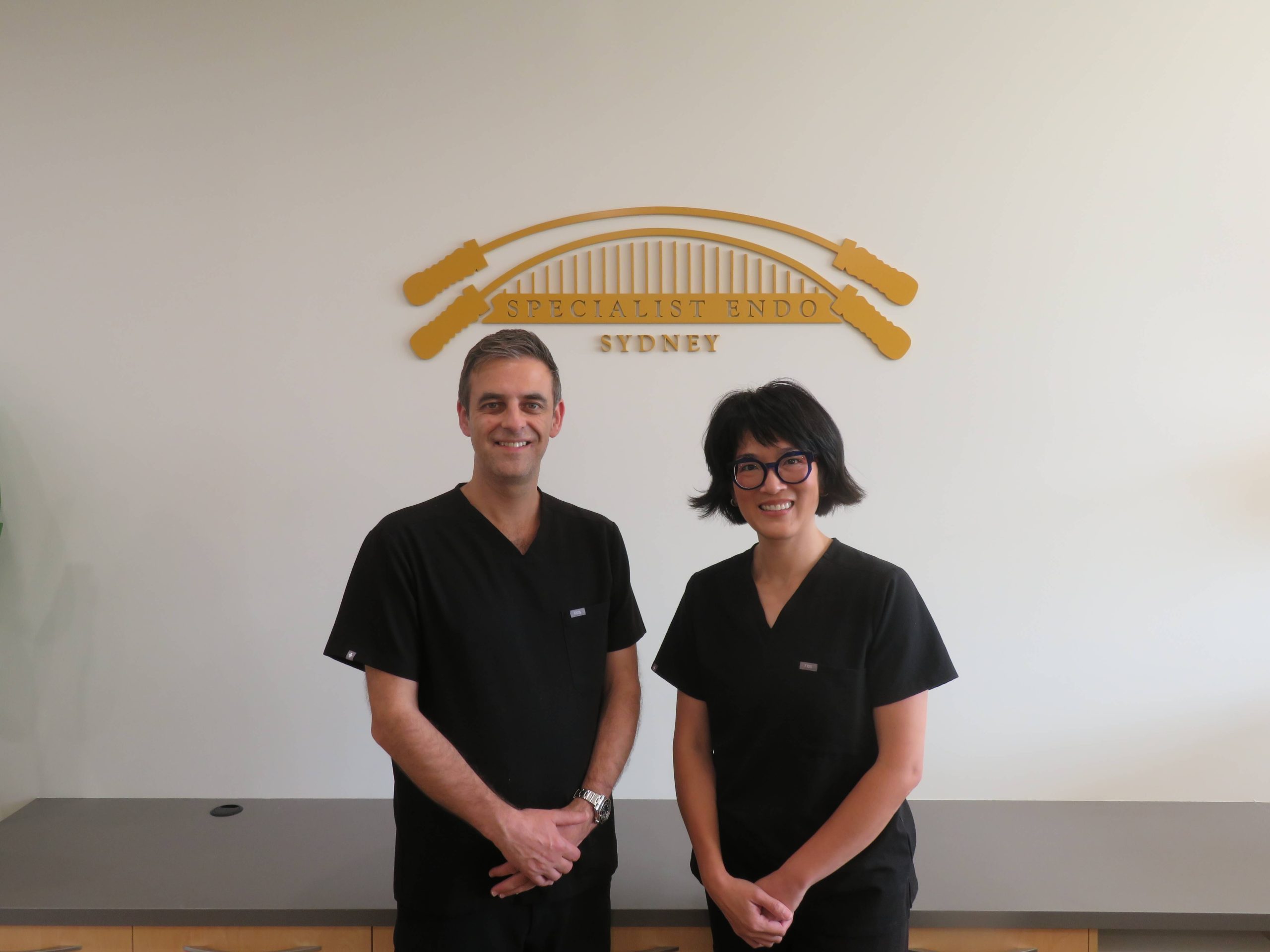
At Specialist Endo Sydney, our practice is dedicated to diagnosing and treating conditions affecting the dental pulp and roots of teeth.
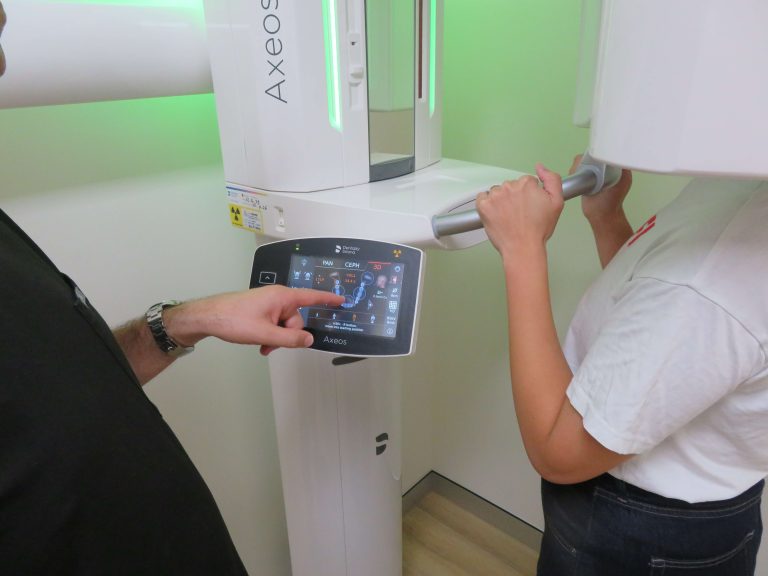
Patients are supported by a specialist team with access to modern imaging, magnification and endodontic equipment. We take the time to explain what is happening inside the tooth, why each stage is needed and what you can expect during treatment.
Our purpose-built clinic in Crows Nest provides a calm and welcoming setting for both straightforward and complex endodontic care.
Everything you need to know about our services, treatments, and care.
The tooth is treated under local anaesthetic, so you should remain comfortable while the canals are cleaned. You may notice pressure or movement, but the irrigation process itself should not be painful.
No. Intracanal medication is placed directly inside the root canal system and sealed within the tooth. It is different from antibiotic tablets or capsules taken by mouth.
No. Medication is used when your endodontist believes the tooth will benefit from additional disinfection between appointments. Many cases can be completed without an inter-appointment dressing.
The timing varies according to the condition of the tooth and the treatment plan. Your endodontist will explain when you need to return and what to expect at the next visit.
You should avoid eating until the numbness has worn off. If the tooth has a temporary restoration, avoid chewing hard or sticky foods on that side until treatment and the final restoration are complete.
The aim is to reduce bacteria as thoroughly as possible and create an environment that supports healing. Irrigation is combined with canal preparation, medication when indicated, careful sealing and an appropriate final restoration.
Thorough cleaning and disinfection are fundamental to protecting a tooth affected by infection or inflammation. Our specialist team uses careful irrigation, precise canal preparation and appropriate medication to provide treatment suited to the individual tooth.
Contact Specialist Endo Sydney to arrange an assessment at our Crows Nest clinic and learn more about the treatment recommended for you.
Book Your
Appointment Today!